Um Yong Baek represents something much greater than a restaurant name; it embodies a rich culinary tradition rooted in the everyday life of Busan, Korea, where humble ingredients were transformed into soulful nourishment. At the heart of this tradition lies dwaeji‑gukbap, a pork and rice soup that has traveled from the streets of Busan to metropolitan dining destinations across Asia. What makes Um Yong Baek stand out is not just the dish itself, but the story behind it, the depth of flavor crafted through time, the careful balance of textures, and the cultural heritage that comes with every bowl. To appreciate Um Yong Baek is to understand the history of its signature dish, the subtleties of cooking techniques, the unique components that make up a proper bowl of gukbap, and the modern evolution of Korean cuisine in global food culture.
Origins of Dwaeji‑Gukbap and Busan’s Culinary Identity
Dwaeji‑gukbap literally translates to pork, soup, and rice. It is a dish that took shape out of necessity and ingenuity after the Korean War, when people in Busan used inexpensive pork bones and scraps to create nourishing soups that sustained families. Pork bones were simmered for hours to extract maximum flavor and nutrient richness, and then rice was added directly into the hot broth, blurring the line between soup and rice bowl in a uniquely Korean style of eating. This dish began as an everyday meal for working people, but its deep, comforting flavor soon spread across Busan and beyond, gaining appreciation as a local favorite adored by residents and visitors alike. Busan’s food culture celebrates dwaeji‑gukbap as a signature local specialty that reflects both resilience and richness in simplicity. The broth’s complexity comes from hours of boiling, the combination of meat cuts, and the variety of condiments that diners can adjust at the table, such as fermented shrimp, green onions, white onions, garlic, and red pepper paste. These accompaniments allow each eater to customize the soup according to their taste, making every bowl both personal and communal.
The Anatomy of a Perfect Bowl of Dwaeji‑Gukbap
To truly grasp what makes a great bowl of dwaeji‑gukbap, it is important to understand its components. The base of the dish is the broth, which can vary from a clear, savory soup to a milky, rich broth depending on the cuts of pork used and the boiling method. The classic Busan style typically features a clear and light broth that still carries deep umami notes due to the long simmering process. The meat used can range from tender pork collar to cheeks, stomach, and belly pieces, each bringing a distinct texture and flavor to the soup. Short‑grain rice is either served mixed into the broth or on the side to be added gradually. What makes the dish interactive is the condiments — fermented salted shrimp adds saltiness and umami, chives add freshness, garlic brings pungency, and chili can add heat. Rice cakes, tofu slices, and other accompaniments can also be included, depending on regional and restaurant variations. Beyond taste, the mouthfeel and temperatures of the soup, the chew of the meat, and the silky rice grains all play a role in defining a satisfying bowl.
Um Yong Baek: Origins and Legacy
Um Yong Baek began as a local eatery in Busan, focused on serving authentic dwaeji‑gukbap that stayed faithful to tradition. Unlike many contemporary restaurants that emphasize fusion or modern twists, Um Yong Baek retains the authenticity and soul of Busan’s original comfort food. Visitors to the Busan location emphasize the quality of the pork, the clarity of the broth, and the balance of tastes that reflect generations of cooking wisdom. The restaurant offers both Busan‑style and Miryang‑style dwaeji‑gukbap — the latter being a milky, tonkotsu‑like broth from the Miryang region near Busan that is slightly heavier and richer in mouthfeel. Um Yong Baek’s commitment to using high‑quality pork and authentic preparation methods has solidified its reputation among locals and food enthusiasts who seek the most genuine expression of this iconic dish. In a city abundant with pork soup restaurants, Um Yong Baek distinguishes itself through its attention to detail and consistency.
Expansion Beyond Korea: Global Appreciation
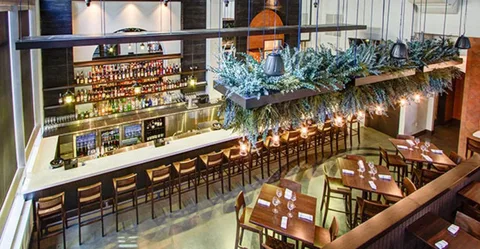
As Korean cuisine has gained international popularity, Um Yong Baek expanded beyond Busan to cities such as Singapore and Hong Kong, bringing Busan‑style dwaeji‑gukbap to a broader audience. International branches maintain traditional lunch menus centered on pork and rice soup, while innovating with additional dinner offerings such as Korean barbecue and three‑way aged pork cuts. These expansions reflect a sophisticated understanding of both authenticity and adaptation: preserving the core elements of the dish while adjusting to new culinary environments and diner expectations. In Singapore, for example, the restaurant’s lunch service focuses on the signature pork soup dishes, with limited servings prepared daily due to the lengthy boiling process required for the broth. Dinner features grilled pork and barbecue that showcase heritage flavors in a more interactive dining experience. The flooring, seating, and kitchen visibility all contribute to a dining atmosphere that bridges traditional Korean comfort food with modern dining aesthetics.
The Craft of Broth: Time, Technique, and Taste
At the heart of a great bowl of dwaeji‑gukbap is the broth. Unlike quick soups that rely on seasoning powder or packaged stock, the broth for authentic pork and rice soup requires hours of slow boiling. Pork bones are the primary ingredient, and depending on the desired broth style, a combination of bones, meat, and fat are simmered together to draw out gelatin, minerals, and deep savory compounds. A clear broth results when only lean meat and bones are used, yielding a light color and a clean taste. A milky broth arises when marrow, connective tissue, and fat break down through prolonged heat, creating a richer, creamier texture. Some versions boil pork head and intestines to produce a translucent broth with distinct flavor notes. This labor‑intensive process is not easily replicated in kitchens that prioritize speed, which is why authentic dwaeji‑gukbap is still relatively rare outside Korea. The result of this dedication to craft is a broth that can be sipped on its own, deeply satisfying and warming without relying on heavy seasoning alone.
Menu Diversity at Um Yong Baek
While the core of Um Yong Baek’s identity is built around dwaeji‑gukbap, the menu offers variety that enhances the dining experience. In Busan, the focus remains traditional — several styles of pork soup with rice and small side dishes that complement the main bowl. International locations expand the menu to include grilled meats, aged pork cuts, and modern interpretations of Korean barbecue. The aging process for meats enhances tenderness and flavor density, creating a more robust taste when grilled. Traditional ban‑chan (side dishes) such as kimchi and chives are served alongside both soup and barbecue, contributing acidity, spice, and freshness that balance the richness of pork. In addition to pork belly, diners may encounter cuts such as pork collar and pork stomach, each offering a unique chew and flavor profile. The balance of these elements demonstrates how a simple ingredient like pork can be celebrated in diverse culinary formats — from soup to grill — without losing its essential character.
Cultural Significance and Dining Rituals
Dwaeji‑gukbap is more than a dish; it is part of a social and cultural ritual in Korea. In Busan, locals may enjoy it for breakfast, lunch, dinner, or even late at night after drinking. It is a dish that accompanies life’s ordinary moments, from family meals to hangover recovery. The interactive experience of adding condiments at the table makes dining participatory, encouraging each diner to engage with the food personally. In communal settings, bowls are passed around, and conversations flow over the warmth of the broth. The simplicity of the ingredients does not diminish the dish’s depth; rather, it highlights how patience and technique elevate humble food to comfort that resonates with memory and emotion. As Korean food culture spreads globally, dishes like dwaeji‑gukbap offer an insight into tradition, social eating, and regional diversity that goes beyond the more commonly known Korean foods.
Comparing Busan and Miryang Styles
Although Busan is the epicenter of dwaeji‑gukbap, nearby regions such as Miryang have their own interpretations. Miryang style is distinguished by a milky, thicker broth that resembles the texture of Japanese tonkotsu. This variation comes from a different balance of pork bones and parts used during boiling, resulting in a richer mouthfeel and deeper body. Busan style tends to be lighter, clearer, and more focused on the inherent flavor of pork without as much emulsification of fat and marrow. Both styles have their devotees, and restaurants that offer both allow diners to appreciate the subtle differences between them. Comparing the two in a single meal highlights how small adjustments in technique and ingredient ratios can drastically impact taste and texture, revealing the breadth of Korean soup culture beyond a single definition.
Dining Tips for Um Yong Baek and Gukbap Enthusiasts
When approaching a meal at Um Yong Baek or any traditional gukbap restaurant, it helps to know how to enhance the experience. First, start with the broth — sip it before adding condiments to appreciate the pure flavor crafted through hours of boiling. Then gradually introduce fermented shrimp, salt, chili paste, or garlic according to your taste preferences. These additions build layers of flavor without overwhelming the original base. If served with different cuts of pork, try each cut on its own to understand the varying textures and flavors, from tender collar to chewy stomach pieces. For those interested in grilling, the aged pork and barbecue items offer a contrasting experience with smoky char and rich umami. Pair these with fresh side dishes for balance. Enjoy the meal slowly, recognizing that traditional Korean dining is meant to be savored, not rushed.
The Global Influence of Korean Cuisine and Authentic Dining
Korean cuisine has seen a significant rise in international appreciation, and dishes like dwaeji‑gukbap play a role in showcasing the diversity of Korean culinary heritage. While foods like bibimbap, kimchi, and Korean barbecue have become global staples, lesser‑known dishes like pork and rice soup provide a deeper connection to regional traditions. Restaurants such as Um Yong Baek serve as ambassadors of this cuisine, introducing diners to authentic flavors that are rooted in history. The careful balance of preserving tradition while adapting to new markets is a delicate art that requires respect for origin and sensitivity to local palates. The presence of such restaurants in global cities expands the understanding of Korean food beyond familiar categories and invites curiosity about regional specialties that are yet to be discovered by many.
Conclusion: The Lasting Legacy of Um Yong Baek and Dwaeji‑Gukbap
In the landscape of global cuisine, few dishes carry as much heart and heritage as dwaeji‑gukbap. Um Yong Baek stands as a testament to how humble beginnings can evolve into culinary excellence that resonates across cultures. From the streets of Busan, with its sea breeze and busy markets, to international dining destinations, the journey of this dish reflects both tradition and innovation. Its depth of flavor, cultural resonance, and the community experience it fosters make it more than food — it is a story in a bowl. For those seeking authentic Korean flavors, understanding the origins, components, and dining rituals of dwaeji‑gukbap opens a window into a tradition that has sustained generations and continues to inspire food lovers around the world.
