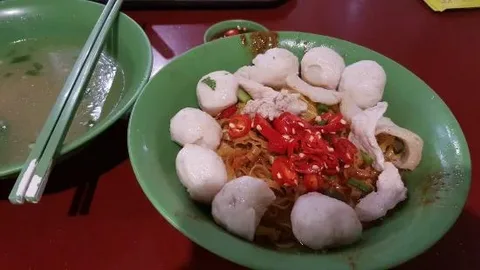
Song Kee Fishball Noodle is one of the most talked‑about hawker favourites in Singapore. Loved for its springy fishballs, bouncy noodles, savoury broth and unique texture combinations, Song Kee has earned a dedicated following among locals and visitors alike. This article is the most detailed and complete exploration of Song Kee Fishball Noodle you will find, built to help you fully understand the dish, the experience, how to order it, how to compare versions, dietary concerns, and how to make the most of every visit.
What Is Fishball Noodle
Fishball noodle is a hawker classic consisting of fishballs made from minced fish, noodles, broth, sauces and complementary ingredients such as fish cake, fish dumplings, tau pok or minced meat. The dish can be served dry with sauce, soup style, or mixed. The core elements that make fishball noodle special are texture, balance of savoury flavour, freshness of seafood and the right seasoning profile that elevates the simple combination of ingredients into a memorable plate.
Song Kee Fishball Noodle Overview
Song Kee Fishball Noodle is known for maintaining a consistent standard of fishballs that are firm and springy, noodles with the right chew, broth with clean savoury flavour, and balanced seasonings. The emphasis is on freshness and texture, originating from careful preparation and a loyal base of regular customers.
The Core Elements of Song Kee Fishball Noodle
Fishballs
Song Kee fishballs are characterised by their firm, springy texture that has a slight bounce when bitten. The fish used is fresh, finely minced, and well‑seasoned to avoid any fishy aftertaste. Springiness comes from the kneading process combined with low‑temperature water binding, creating a firm interior and smooth outer texture.
Noodles
The noodles used in Song Kee vary between thin egg noodles and thicker yellow noodles. The choice of noodle affects the overall mouthfeel of the dish. Thinner noodles absorb sauces and savoury flavours more quickly, while thicker noodles provide a stronger chew.
Broth
Song Kee broth is light, savoury, and clear. It should never overpower the other components but instead complement them. The broth is often made using a blend of fish bones, pork bones, aromatic vegetables and gentle seasoning to give a balanced taste.
Accompaniments
Typical accompaniments include fish cake slices, fish skin, tofu puff (tau pok), vegetables and sometimes minced pork. Each element contributes additional texture and flavour layers to the dish, allowing the diner to enjoy a variety of sensations in one bowl.
Sauce and Seasoning
The sauce for dry fishball noodles usually contains soy sauce, garlic oil, chilli and a dash of vinegar. The right balance between sweet, salty, spicy and tangy is essential. Proper seasoning elevates the noodles and fishballs without overwhelming them.
How Song Kee Prepares Its Fishballs
Song Kee’s fishball process begins with the selection of fresh fish, typically mackerel, threadfin or Spanish mackerel. These fish are chosen for their firm flesh, mild flavour and ability to form cohesive paste when processed. The fish are deboned and minced, mixed with salt, pepper, water and ice, and then hand‑kneaded until a textured paste forms. This paste is then rolled by hand into balls and poached at controlled temperatures to achieve the ideal springy texture.
Types of Fishball Noodle at Song Kee
Dry Fishball Noodle
Dry fishball noodle comes with noodles tossed in savoury sauce, fishballs on top, and soup served on the side. This version highlights the texture and sauce balance without being diluted by broth.
Soup Fishball Noodle
Soup fishball noodle features noodles immersed in clear, hot broth, with fishballs, fish cake and other toppings floating within. This version is comforting and warm, suitable for cooler days or when a deeper flavour experience is desired.
Mixed Version
Some diners choose a mixed version where a small amount of sauce is added to the soup, marrying both dryness and soup characteristics. This style gives you a layered flavour experience.
Texture Guide: What to Expect
Springy Fishballs
The ideal fishball springs back when bitten, offering a satisfying chew without being rubbery. Song Kee is known for this springiness that reflects hand‑kneaded quality.
Bouncy Noodles
Noodles should not be mushy or lumpy but should instead offer a controlled bounce, indicating they are cooked properly and rinsed to stop further cooking.
Broth Balance
The broth should be light with savoury depth, not overly salty or oily. A well‑made broth in Song Kee complements the dish without overshadowing the other elements.
Taste Profile Breakdown
Salty
Salty is controlled and balanced with the sauce and fish seasoning. A good plate should not make you reach for drinks immediately but should instead reward with gradual flavour appreciation.
Umami
Umami comes from the fishballs, broth and accompanying fish cake. Each bite contains a depth of savouriness that satisfies without overwhelming.
Sweetness
A slight sweetness often comes from the broth and sauce base, balancing salt and spice in a harmonious profile.
Spicy
Chilli adds heat but is optional. For those who enjoy heat, Song Kee’s chilli enhances savoury notes and introduces complexity.
Tangy
A dash of vinegar in the sauce adds brightness to the overall plate, cutting through richness while lifting flavours.
Step‑by‑Step Order Guide
Choosing Your Noodle Style
Select between dry, soup or mixed based on preference. Dry offers bold texture and flavour, while soup gives warmth and fluid balance.
Choosing Additional Ingredients
Common add‑ons include extra fishballs, fish cake slices, tau pok or vegetables. These add variety in texture and increase fullness.
Sauce and Seasoning Selection
For dry noodle orders, specify the level of chilli and vinegar. You may choose extra chilli for heat or mild for traditional balance.
Best Time to Visit Song Kee
The best visiting windows are typically lunch and early dinner hours. Arrive before peak times to avoid queues and ensure the freshest preparation.
Seating and Dining Experience
Most Song Kee outlets are hawker or casual dining settings. Seating tends to be shared table arrangements, so come prepared for a lively environment with close seating.
Comparisons with Other Fishball Noodles
Texture Comparison
Some fishball noodle stalls may produce softer fishballs or thinner noodles. Song Kee is distinguished by its firm fishballs and balanced chew.
Sauce Differences
Other stalls may be heavier on sauce or sweeter. Song Kee maintains a balanced sauce profile that enhances rather than dominates.
Broth Variation
Song Kee’s broth tends to be clearer and lighter compared to richer, cloudier broths found in some other establishments. This lightness allows other elements to shine.
Dietary Considerations
Allergies
Fish and seafood are central to the dish. Those with fish allergies should avoid fishball noodle or seek alternative hawker dishes.
Salt and Sodium
Because hawker food can be salty, you may request lighter seasoning or less sauce.
Gluten
The noodles are usually wheat‑based, so they are not suitable for gluten‑free diets unless substituted.
Pairing Suggestions
Drinks
Light barley water, iced lemon tea or green tea pair well as they refresh the palate between bites.
Side Dishes
Common sides include youtiao (fried dough), vegetables or light salads that provide a textural contrast.
Serving Sizes and Value
Portion sizes typically range from standard to large. For value seekers, add‑ons like extra fishballs provide a fulfilling meal without significantly raising cost.
Common Mistakes New Diners Make
Ordering Too Much Sauce
Over‑saucing obscures the delicate balance of flavours. Let the natural fish and broth components shine.
Choosing Wrong Noodle Type for Preferences
If you prefer bold textures, dry noodle is best. Soup noodle is better for comfort and warmth.
Ignoring Chilli Balance
Too much chilli can mask the savoury flavour. Start with a moderate amount and adjust.
How Song Kee Maintains Quality
Consistency comes from disciplined preparation, fresh ingredients, careful portioning and attention to broth refinement. Song Kee staff often prepare components before peak hours to ensure each bowl meets quality standards.
Cultural Significance of Fishball Noodle in Singapore
Fishball noodle reflects Singapore’s hawker culture — simple, flavourful, affordable and deeply tied to community memories. It is not just food; it represents tradition, family recipes and daily routines for many locals.
Behind the Scenes: Hawker Preparation
At hawker centres, preparation involves early mornings selecting fish, making fishball paste, boiling broth, cooking noodles to order, assembling bowls and serving with precision. This labour is continuous through lunch and dinner hours, reflecting dedication to craft.
Customising Your Plate
Spice Level
Adjust chilli levels from no spice to extra hot. For first‑timers, try mild and increase gradually on future visits.
Vinegar
Vinegar enhances brightness. Decide whether you want vinegar included.
Add‑Ons
Extra fishballs, vegetables or tofu add texture and make the meal more filling.
Visiting with Others
If eating with friends, order a variety of versions — dry, soup, mixed — then compare textures and flavour profiles together.
How to Photograph Song Kee Fishball Noodle
Lighting
Use natural light to capture glossy fishballs and colourful salads or vegetables.
Scooping Texture
A close‑up of noodles lifting with chopsticks emphasizes bouncy texture.
Broth Clarity
Show clear broth swirls to highlight balance and depth.
How to Evaluate a Good Plate
Freshness
Fresh fishballs should have firmness and no off‑smell.
Balance
Sauce, broth and noodles should harmonise.
Texture
Noodles should not be soggy, fishballs should not be rubbery.
What Locals Appreciate Most
Locals frequently praise:
- Springy fishballs that are not over‑processed
- Broth that complements without dominating
- Noodles that maintain texture
Hidden Tips for Regulars
Arrive Early
Early customers receive fresher fishballs and faster service.
Order in Stages
If hungry, start with dry style then add soup to finish.
How to Pair Condiments
Chilli for heat, vinegar for brightness, light soy for extra savouriness. Combine carefully to preserve balance.
Seasonal Variations
Some ingredients may vary seasonally, influencing broth richness, vegetable freshness or related pairings.
What Makes Song Kee Unique
Song Kee’s reputation stems from texture mastery, balanced taste profile, consistent standards and authentic hawker roots that resist over‑commercialisation.
Frequently Asked Questions
Is Song Kee Suitable for Kids?
Yes, remove chilli and choose mild seasoning.
Can I Order Take‑Away?
Most outlets offer take‑away. Ask for separate broth packaging.
Can I Customize My Order?
Yes, specify spice level, noodle firmness and add‑ons.
Local Recommendations
Locals often recommend trying:
- Dry fishball noodle with extra fishballs
- Mixed noodles for first timers
- Soup style on cooler days
Final Thoughts
Song Kee Fishball Noodle offers a rich sensory and cultural experience that goes beyond just a meal. Every component from fishball texture to broth balance is crafted with purpose. By understanding what to order, how to customise, and how to appreciate each component, your visit becomes not just dining but an exploration of one of Singapore’s most loved hawker classics.
Conclusion
This guide is the most complete and detailed exploration of Song Kee Fishball Noodle available. It has covered everything from texture and taste profile to ordering strategies, comparisons, dietary notes, cultural context and practical dining tips. Whether you are a first‑time visitor, a regular hawker explorer or someone writing about Singapore cuisine, you now have a comprehensive blueprint to enjoy and understand Song Kee Fishball Noodle like an expert.
