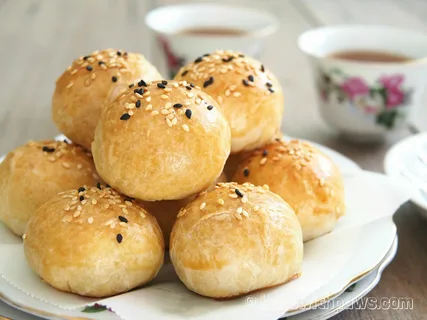
Loong Fatt Tau Sar Piah is not just a pastry. It is a cultural staple, a piece of culinary heritage, and one of Singapore’s most beloved traditional baked treats. This humble mung bean filled pastry has become synonymous with the Balestier food scene, attracting both local loyalists and food lovers from all over the world. In this comprehensive guide, we’ll uncover everything there is to know about Loong Fatt Tau Sar Piah — its history, ingredients, craftsmanship, varieties, taste profile, cultural significance, how it compares with other regional variants, where to find it, and how you can enjoy or even try making it yourself at home.
What is Tau Sar Piah?
Tau Sar Piah — also spelled tau sah piah or dou sha bing — is a traditional Chinese pastry made of thin, flaky dough and filled with sweet or salty mung bean paste. Tau Sar Piah is part of a broader family of Chinese pastries, but what sets it apart is its unique texture: a layered, buttery crust that melts in your mouth, contrasted with the rich and smooth mung bean filling.
The name itself breaks down into simple Chinese: “Tau Sar” refers to the mung bean paste, and “Piah” (or piah) means cake or pastry. The pastry has deep roots in Teochew and Hokkien cuisine, and in Singapore, it has become an iconic snack that bridges generations.
A Deep History of Loong Fatt
The Origins of the Bakery
Loong Fatt Tau Sar Piah traces its beginnings back to 1948, when its founder Mr. Lee Wang Long established a small bakery-cum-coffee shop on 639 Balestier Road in Singapore. What started as a modest place selling baked goods eventually evolved into a beloved establishment known for perfection in the humble tau sar piah.
Lee’s early background was not in traditional Chinese pastries. As a young man, he arrived in Singapore from Hainan, China, and first worked as a housekeeper. During this time, he learned to bake Western-style confections and pastries, including cream puffs and other baked sweets. This cross-cultural experience would later influence his approach to baking.
Transition to Tau Sar Piah
In the 1970s, Lee transitioned his bakery’s focus to tau sar piah. This change was not random — it was driven by a combination of business necessity and creative vision. The original retail bakery business faced challenges, and Lee’s deep understanding of dough and pastry from his Western baking background allowed him to innovate on a traditional Chinese favorite. The result was a unique version of tau sar piah with a distinctively crisp, flaky crust that differed from the softer Teochew classic.
Legacy and Continuation
Today, Loong Fatt Tau Sar Piah is run by the founder’s descendants and loyal staff who have worked there for decades. The bakery still produces thousands of pieces each day using traditional methods and a closely guarded recipe. It remains one of the few places where the pastry is made by hand, consistently maintaining a level of craftsmanship that has become rare in modern commercial baking.
What Makes Loong Fatt Tau Sar Piah Unique?
Flaky Crust
The signature feature of Loong Fatt’s Tau Sar Piah is its flaky crust — light, buttery, and layered, with a satisfying crunch. This texture is achieved through careful lamination of the dough and precise control of the oven heat. Unlike softer or crumbly Chinese pastries, Loong Fatt’s crust has a richness derived from high-quality ingredients and meticulous technique.
Sweet & Salty Varieties
Traditionally, there are two main types of tau sar piah:
- Sweet Tau Sar Piah
Filled with sweet mung bean paste and often topped with sesame seeds. This version is the most popular. - Salty Tau Sar Piah
Filled with a savory mung bean paste that offers a balance of rich flavor without sweetness.
Loong Fatt makes both variations, and while the basic dough might be the same, the fillings and sesame seed toppings help distinguish them at a glance.
Daily Production and Demand
At Loong Fatt, dedicated bakers prepare 3,000 to 4,000 pieces daily — all by hand. This commitment to quantity while maintaining quality helps explain both the long queues and the limited hours of operation: once the pastries sell out, the shop closes for the day.
Ingredients: Traditional and True
Dough Components
The dough for tau sar piah is deceptively simple but requires precise balance and technique. Typical ingredients include:
- All-purpose flour
- High-quality butter or fat
- Water
- Salt
- Optional layers of oil or fat for lamination
The lamination process (layering of dough and fat) is what creates those delicate, crisp layers in the pastry. Controlling oven temperature and humidity are also critical to achieving the desired flakiness.
Mung Bean Filling
The filling, made from mung beans (green beans), is prepared separately:
- Mung beans are soaked, boiled, and mashed.
- Sugar (for sweet versions) or seasonings (for salty versions) are added.
- The paste is cooked until smooth and thickened.
The consistency must strike a balance: firm enough to hold shape within the pastry, but soft enough to melt with each bite.
Loong Fatt’s exact recipe is proprietary, but its use of high-quality ingredients is a cornerstone of its difference from mass-produced versions.
The Craftsmanship Behind Every Bite
Handmade, Not Mass Produced
Unlike industrial bakeries that rely on machines, Loong Fatt adheres to traditional manual methods where workers roll, fold, fill, and bake each piece by hand. This labor-intensive process is part of the reason for the pastries’ unique texture and flavor profile.
Oven Tradition
Loong Fatt still uses ovens that have been part of its identity for decades. These ovens distribute heat in a way that ensures an even golden-brown crust without drying out the filling. The ongoing use of traditional baking equipment contributes to the consistency and nostalgia of the product.
Human Experience in Production
Learned skills, long experience, and hands-on training are all essential parts of the making process. Bakers often start in the early hours of the morning and work through meticulous routines to produce thousands of pastries before opening time.
When and How to Enjoy Loong Fatt Tau Sar Piah
Best Times to Visit
Because supplies are limited, it’s best to come early in the day — often before opening — if you want to avoid long queues. Many locals line up as soon as the doors open to secure their share before the daily batch runs out.
Serving Suggestions
Tau Sar Piah pairs wonderfully with strong coffee (kopi) or black tea (teh). Locals often enjoy it as a morning snack, an afternoon pick-me-up, or a take-home treat to share with family and friends.
Storage and Freshness
Freshly baked tau sar piah is best enjoyed the same day. If you must store it, keep it in an airtight container at room temperature for a day, though the pastry will lose some crispiness over time.
Comparing Tau Sar Piah Styles Across Regions
While Loong Fatt’s version is iconic in Singapore, tau sar piah is enjoyed in various forms across Southeast Asia and China. These differences include:
- Teochew Style: Generally softer and less buttery crust.
- Penang Tambun Biscuit: Another regional cousin, often larger and with fillings that may include yam or pineapple.
- Malaysian Variants: Some regions incorporate different fillings like durian or pandan.
Loong Fatt’s version sets itself apart with a crispier, richer crust and a balance of traditional flavor and buttery texture.
The Cultural Significance of Tau Sar Piah
Tau Sar Piah may seem simple, but its place in Singapore’s culinary history is substantial. It represents:
- Heritage craft: A skill passed down through generations.
- Community tradition: A local meeting point where people gather and share stories.
- Cultural identity: A snack that connects the present with the past.
- Intergenerational appeal: Loved by older generations and rediscovered by younger food enthusiasts.
In a fast-paced world where global cuisine constantly evolves, tau sar piah stands as a reminder of tradition done right.
Other Baked Goods at Loong Fatt
While tau sar piah is the star, Loong Fatt also offers:
- Swiss rolls
- Cakes
- Butter cookies
- Traditional confectioneries
These items are produced in smaller quantities and highlight the bakery’s broader skill set in traditional baking.
Tips for Home Bakers
If you’re inspired to try making tau sar piah at home, here are essential tips:
- Perfect your dough lamination: Use cold butter and work quickly.
- Balance sweetness: Mung bean paste should be sweet but not overpowering.
- Control oven temperature: Too hot and the pastry will burn; too cool and it won’t crisp.
- Practice makes perfect: Traditional pastries require patience and repetition.
Home baking may never replicate the exact texture of Loong Fatt’s handmade perfection, but understanding these fundamentals will put you on the right track.
Visiting Loong Fatt Today
Location and Hours
Loong Fatt Tau Sar Piah is located at 639 Balestier Road, Singapore 329922. It typically operates from Monday to Saturday in early morning to mid-afternoon, closing once the daily batch sells out.
Ordering and Pickup
You can preorder for pickup through their online shop. It’s recommended if you want to avoid lines and secure larger quantities for special occasions.
What to Expect
Expect a vibrant scene with locals chatting, queues forming before opening, and boxes flying off the shelves. The experience is part of what makes Loong Fatt an essential stop for anyone exploring Singapore’s food culture.
Frequently Asked Questions About Tau Sar Piah
Is Tau Sar Piah Vegan?
The tau sar piah dough may contain butter or fat; vegan versions are rare unless specifically made with plant-based fats.
Can Tau Sar Piah Be Frozen?
Yes, you can freeze them for longer storage, but fresh quality is always better.
How Long Has Loong Fatt Been Around?
Loong Fatt has been operating since 1948, giving it over seven decades of history.
What Is the Difference Between Sweet and Salty?
The difference lies in the filling — sweet uses sugar-rich mung bean paste, while salty uses lightly seasoned mung bean paste.
Conclusion
Loong Fatt Tau Sar Piah is not just a pastry — it is a living cultural institution. Its flaky crust, exquisite fillings, and traditional craftsmanship combine to create an experience that transcends ordinary food. Whether you are a local, a tourist, or a culinary enthusiast interested in the art of heritage baking, this iconic Balestier treat offers both history and flavor with every bite.
If you’re planning a visit or even attempting your own version at home, this guide gives you the most complete understanding of what makes Loong Fatt Tau Sar Piah so beloved. Don’t sleep on the opportunity to taste a piece of Singapore’s culinary legacy — once you do, you’ll never forget it.
