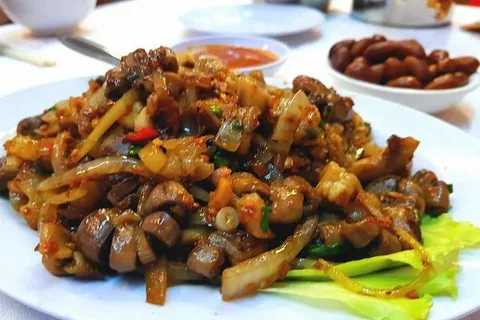
Long Ji Zi Char stands as one of Singapore’s most talked‑about zi char destinations, known for its bold flavors, fresh seafood, and especially its legendary crab bee hoon. Located in a city where zi char culture runs deep, Long Ji has carved a place in the competitive food scene by blending traditional techniques, high‑quality ingredients, and consistent culinary execution.
Zi char — a term derived from the Hokkien words for “cook and fry” — refers to the casual, wok‑centric dishes found throughout Singapore’s coffee shops and hawker centers. What sets Long Ji apart from many others are aspects such as ingredient sourcing, seasoning balance, presentation style, and the way signature dishes like crab bee hoon are elevated in taste and texture.
In this comprehensive guide, we dive deep into what makes Long Ji Zi Char unforgettable, from its history, menu masterpieces, cooking techniques, customer experience, and how it compares in the broader landscape of the best zi char Singapore has to offer.
A History of Zi Char in Singapore
The tradition of zi char in Singapore began with migrant workers and family kitchens in the early 20th century. Zi char originally served as communal comfort food — affordable, hearty, and shared among friends and family. Over decades, zi char culture evolved into a diverse culinary category that includes wok fried classics, seafood specialties, and innovative fusion items.
Zi char restaurants typically focus on freshness, wok‑heat intensity, seasoning mastery, and the ability to turn simple ingredients into complex, satisfying dishes. Long Ji Zi Char represents a modern yet authentic continuation of this tradition, honoring classic techniques while pushing boundaries with standout dishes like its crab bee hoon.
Understanding Crab Bee Hoon Singapore Style
Crab bee hoon is not just a dish; it’s a pinnacle in Singaporean seafood cuisine. Bee hoon refers to thin rice vermicelli that absorbs broth and sauce exceptionally well. When paired with fresh crab, the result is a combination of sweet brine, rich gravy, and fragrant rice noodles that create layers of flavor.
Crab bee hoon Singapore style emphasizes several key elements:
Freshness of Crab
High‑quality, fresh crab — typically Sri Lankan or Australian — is crucial. Sweet flesh and firm texture allow the crab to stand up to bold seasoning and high heat.
Wok Hei (Breath of the Wok)
Controlled high heat imparts a smoky, caramelized aroma that cannot be replicated without proper technique. This is where many zi char kitchens differ.
Balanced Sauce
A marriage of garlic, stock, seasoning, and subtle sweetness allows the crab flavor to shine without overpowering the bee hoon.
Long Ji’s version of crab bee hoon excels because it balances these components with precision, resulting in a dish that is rich, satisfying, aromatic, and uniquely Singaporean.
Signature Dishes at Long Ji Zi Char
Crab Bee Hoon — The Star Attraction
The centerpiece of Long Ji’s menu is its crab bee hoon. Prepared with precision, the dish features succulent crab bathed in a savory, slightly sweet gravy that soaks into the rice vermicelli. Each bite brings together texture and aroma: tender crab meat, al dente bee hoon, and wok‑kissed complexity that creates a lingering savory sensation.
Black Pepper Crab
Another iconic seafood dish is Long Ji’s black pepper crab. Unlike chili crab, which leans on a tomato‑sweet sauce, black pepper crab showcases sharp heat, earthy pepper notes, and a dry finish that allows the natural sweetness of the crab to remain center stage.
Salted Egg Prawns
Salted egg sauce has become a modern Singaporean favorite, and Long Ji’s version uses roasted salted egg yolk, curry leaves, butter, and aromatic spices. The prawns emerge rich, creamy, and addictive, with the sauce clinging perfectly to each piece.
Sambal Lala
Lala clams sautéed in spicy sambal paste provide a fiery contrast to more delicate dishes. The sambal at Long Ji is robust yet balanced with sweet undertones, making it a crowd‑favorite appetizer.
Signature Vegetable Wok Fries
No zi char feast is complete without greens. Long Ji’s vegetable wok fries — usually bok choy or its seasonal equivalent — come with blistered edges, garlic aroma, and a perfect tender‑crisp texture.
The Philosophy Behind the Wok
Cooking zi char is as much a philosophy as a craft. Long Ji’s chefs treat the wok as an extension of their culinary identity. Three fundamental principles guide their methods:
- Heat Control: High flame and quick motion ensure ingredients sear without stewing, preserving texture and flavor integrity.
- Sequential Layering: Ingredients are added in specific orders to build depth — aromatics first, proteins next, then sauces and noodles.
- Balance of Flavors: Salt, sweetness, acidity, and spice are all calibrated to enhance the natural umami of ingredients without overwhelming them.
This philosophy is evident in every dish, especially in crab bee hoon where balanced seasoning and heat application are essential.
Behind the Scenes: Ingredient Sourcing
Great zi char begins with quality ingredients. Long Ji sources its seafood daily, ensuring crabs, prawns, and clams are fresh. Vegetables are selected for crispness and minimal water content to ensure wok heats properly. Aromatics like garlic, ginger, and spices are used fresh to boost fragrance.
Moreover, Long Ji’s kitchen often makes its own stock using seafood shells and bones, creating a base that reflects depth and subtle complexity — a key differentiator from many zi char kitchens that rely on pre‑made broths.
Customer Experience at Long Ji Zi Char
Dining at Long Ji is a blend of casual comfort and culinary excitement. The atmosphere is warm and unpretentious, typical of high‑quality zi char restaurants. Unlike fast food or formal dining, the focus here is on shared plates, lively conversation, and communal enjoyment.
Regular patrons appreciate:
- Consistent quality across dishes
- Prompt service despite busy hours
- Generous portions
- Family‑friendly environment
Customers often arrive in groups, reflecting zi char’s communal eating culture.
Comparing Long Ji to Other Top Zi Char Restaurants in Singapore
Many zi char spots claim prominence, but few offer the same balance of consistency and quality as Long Ji. A few points of comparison:
Flavor Consistency
While some restaurants vary in sauce balance and seasoning intensity, Long Ji maintains a reliable profile that diners trust.
Signature Crab Dish Execution
Other restaurants may offer crab bee hoon or chili crab, but Long Ji’s execution stands out for depth of flavor and noodle integration.
Ingredient Freshness
Some establishments compromise due to cost or supply constraints. Long Ji’s commitment to freshness is a competitive advantage.
Overall Value
Considering portion size, ingredient quality, and taste complexity, Long Ji offers high value relative to many pricier zi char restaurants.
How to Order Like a Local
Understanding the Long Ji menu and ordering strategy can elevate your dining experience:
- Start with a Signature Dish:
Always order crab bee hoon for first‑time visits. It’s the benchmark dish. - Add Complementary Flavors:
Black pepper crab or salted egg prawns balance richer dishes with spice or creaminess. - Include Greens:
Vegetable wok fries refresh the palate and provide textural contrast. - Adjust Spice Level:
Request spiciness according to preference — some dishes can be hotter without losing flavor integrity. - Share with a Group:
Zi char is best enjoyed family‑style; ordering multiple dishes allows flavor exploration.
Understanding Seafood Pairings in Zi Char
Pairing seafood with other elements in zi char is an art. Different ingredients require different handling:
Crab with Noodles
Rice vermicelli absorbs sauce effectively while remaining light, allowing the crab’s body flavor to shine.
Prawns with Creamy Sauces
Salted egg or creamy sauces adhere well to prawns’ shells and firm texture, creating luxurious bites.
Clams and Aromatics
Clams benefit from spicy, aromatic bases like sambal, where the shellfish’s juice blends with the sauce.
Vegetables and Wok Heat
Greens must be blistered quickly to avoid sogginess and preserve vibrant color and nutrients.
How Long Ji Maintains Quality During Peak Hours
Peak dining hours test any kitchen’s discipline. Long Ji uses several strategies:
- Pre‑prep of aromatics and stocks
- Staggered ingredient staging
- Senior chefs overseeing timing
- Wok stations calibrated for heat consistency
These measures ensure that even during rush minutes, dishes maintain their signature profile.
The Role of Aromatics and Spices
Aromatics like garlic, ginger, and scallion are foundational. They release essential oils when seared at high heat, contributing to complexity. Spices such as white pepper or sambal provide depth and regional character. Balance is key — too much of any component can disrupt harmony.
Customer Favorites Beyond Crab Bee Hoon
While crab bee hoon is star, regulars also rave about:
- Black Pepper Crab Clusters
- Salted Egg Prawns with Curry Leaves
- Sambal Lala that is spicy but balanced
- Crispy Beancurd with Minced Pork
- Wok‑fried Bittergourd with Egg
These selections ensure variety in texture and taste.
Seasonal Specials and Limited Offerings
Long Ji occasionally introduces limited‑time items based on seasonal seafood availability. These might include:
- Flower crab variations
- Spicy curry crab with tamarind notes
- Lobster bee hoon for special occasions
These offerings keep the menu fresh and exciting.
Health and Safety Standards in the Kitchen
Cleanliness and food safety are priority. Staff undergo regular hygiene training. Seafood is stored under strict temperature controls. Kitchen stations are sanitized between shifts. These practices ensure trust and repeat visits.
Reviews and What Diners Commonly Praise
Positive reviews often mention:
- Rich, savory seafood dishes
- Consistent wok hei
- Generous portions
- Friendly service
- Value for money
While some diners note that crowds can lead to brief wait times, the quality makes the wait worthwhile.
Price Range and Value Perception
Long Ji’s pricing is positioned as moderate to premium within zi char norms. Considering portion sizes and ingredient quality, diners often feel the value outweighs the cost.
Best Times to Visit
For optimal experience:
- Visit early evening to avoid peak crowds
- Weekdays are less busy than weekends
- Arrive before typical dinner rush for preferred seating
Takeaways for First‑Time Visitors
- Start with the crab bee hoon — it defines the Long Ji experience.
- Pair with black pepper or sambal dishes for variety.
- Share plates to explore more flavors.
- Expect communal dining and lively ambiance.
- Appreciate fresh ingredients and balanced execution.
Closing Summary
Long Ji Zi Char stands as a benchmark in Singapore’s vibrant zi char landscape, offering a blend of tradition, innovation, and consistency. From its signature crab bee hoon to its savory sides and wok mastery, Long Ji delivers a dining experience rooted in technique, fresh ingredients, and unforgettable flavors.
Whether you’re a first‑time visitor or a seasoned zi char lover, eating at Long Ji reveals why it’s one of the best zi char Singapore has to offer — a place where communal dining, bold tastes, and culinary craftsmanship meet.
