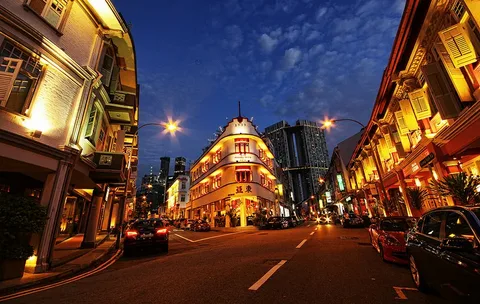
Keong Saik Road is one of Singapore’s most iconic streets, blending deep historical roots with contemporary culture, heritage architecture, gastronomy, nightlife, and urban evolution. Situated in the heart of Chinatown, this one‑way street has become synonymous with the dynamic transformation of Singapore’s cityscape. Originally a residential enclave named after Tan Keong Saik, the road has seen many phases of change and has emerged as a destination that captures the essence of Singapore’s diversity and vibrancy.
This guide explores every angle of Keong Saik Road in great detail, including its history, culture, architecture, culinary scene, nightlife, local community, hidden gems, practical visitor information, and future prospects. This article is designed for readers who want an in‑depth understanding of the street beyond typical travel lists or superficial descriptions.
What Defines Keong Saik Road
Keong Saik Road is defined by a unique juxtaposition of tradition and modernity. The conservation shophouses that line the road reflect early 20th‑century architecture, while a contemporary mix of boutique hotels, bars, cafes, and restaurants bring new energy. The street is narrow, tree‑lined, and pedestrian‑friendly, inviting exploration on foot. Its location, within walking distance of Chinatown, Tanjong Pagar, and the Telok Ayer precinct, further anchors its relevance as a cultural crossroads.
The History of Keong Saik Road
Origins and Naming
Keong Saik Road takes its name from Tan Keong Saik, a prominent businessman and community leader in late 19th century Singapore. Tan Keong Saik was known for his philanthropy and contributions to local society, and naming the road after him was a recognition of his impact on early Singapore community development. The street originally hosted family residences and small businesses, forming part of a thriving local neighborhood.
Early Residential Era
In its early years, Keong Saik Road was predominantly residential, with families living in the rows of shophouses that anchored the street’s built environment. These shophouses were typically two to three stories tall, with commercial space on the ground floor and living quarters upstairs. The style embodied the common architectural approach during the colonial era, combining functional work and living spaces.
Mid‑Century Transformation
As Singapore continued to grow and urbanize in the mid‑20th century, Keong Saik Road underwent significant change. The street became associated with nightlife and entertainment districts, particularly after World War II. Various bars, clubs, and other entertainment venues began to operate along the road and in surrounding streets, changing its character from residential to social hub. During this period, it became known for its energetic nightlife and as a social meeting point for locals and visitors alike.
Conservation and Urban Renewal
With Singapore’s emphasis on urban planning and heritage preservation, Keong Saik Road was part of broader conservation efforts that began in the late 20th century. The shophouses were preserved under conservation guidelines that maintained their historic facades, decorative motifs, and architectural features. This approach aligned with Singapore’s desire to retain its cultural identity while accommodating modern economic growth. The result is a vibrant fusion of old and new, where heritage buildings house contemporary businesses.
Heritage Architecture of Keong Saik Road
Shophouse Design and Features
Shophouses on Keong Saik Road are among the most celebrated in Singapore. These buildings typically have narrow frontages, tiled roofs, wooden shutters, ornate plasterwork, and decorative tiles. Many display elements of Chinese Baroque, a style that merges traditional Chinese ornamentation with influences from European classical architecture. The buildings are aligned closely together, forming a rhythmic streetscape that reflects historical urban design.
Conservation Guidelines
Under Singapore’s Urban Redevelopment Authority, the shophouses on Keong Saik Road are protected under conservation regulations. These guidelines ensure that any renovation or redevelopment preserves the character of the original structure, including façade details, color schemes, and architectural motifs. Modern interiors are often adapted for restaurants, bars, or shops, but the external heritage look is maintained to retain the street’s historic ambiance.
Architectural Appreciation
The architectural significance of Keong Saik Road goes beyond aesthetics. These buildings embody cultural exchange, community livelihoods, and adaptive reuse. They tell the story of Singapore’s past, where migrant communities, trade networks, and local craftsmanship contributed to the city’s built environment. Today, architecture lovers can walk the street and observe layers of history expressed through building materials, decorative features, and urban layout.
Culinary Landscape of Keong Saik Road
Overview of Food Scene
One of the major attractions of Keong Saik Road is its culinary diversity. From casual eateries to fine dining, the food scene caters to a wide spectrum of tastes and preferences. You can find local hawker classics, contemporary Asian fusion, Western‑style bistros, artisanal coffee shops, and elegant dessert bars. This variety reflects Singapore’s multicultural food culture and the evolving preferences of both locals and foreign visitors.
Signature Restaurants and Cafes
Several restaurants on Keong Saik Road have become destinations in their own right. Many are known for their innovative menus, unique concepts, and high standards of quality. These establishments often balance tradition with creativity, offering reinterpretations of classic dishes or entirely new dining experiences. Foodies visiting the street can explore everything from refined tasting menus to comfort food done exceptionally well.
Local Eateries and Hawker Influences
While many upscale dining options exist, the influence of local street food and hawker culture remains visible. Certain cafes and casual eateries incorporate local ingredients, flavors, and cooking styles into their menus. It is common to find dishes that pay homage to Singapore’s culinary heritage, including twists on iconic local fare.
Coffee Culture on Keong Saik Road
The rise of specialty coffee culture in Singapore can also be seen along Keong Saik Road. Independent coffee shops place a strong emphasis on sourcing quality beans, precise brewing methods, and educated baristas. These cafes provide both locals and visitors with spaces to savor artisanal coffee, meet friends, or work remotely while exploring the neighborhood.
Nightlife and Bar Culture
Evolution of Nightlife
Keong Saik Road has a reputation for being a vibrant nightlife destination. Over the years, the nightlife landscape has changed, but the street retains an energetic atmosphere after dusk. The narrow road, combined with its mix of bars, lounges, and small venues, creates an intimate and lively nightlife experience distinct from larger entertainment districts in Singapore.
Signature Bars and Lounges
Numerous bars along Keong Saik Road offer creative cocktails, rare spirits, and themed nightlife experiences. Many establishments emphasize craft mixology, bespoke drink menus, and curated ambience. Some bars feature live music, themed events, or special collaborations, creating unique experiences that extend beyond typical night out spots.
Local Nightlife Culture
The social culture of nightlife on Keong Saik Road blends local preferences with international influences. It is common to see a mix of locals, expatriates, and travelers enjoying the street’s bar scene. This diversity adds to the street’s cosmopolitan feel, where different communities intersect and share experiences.
Art, Culture, and Community
Local Art and Creative Spaces
Keong Saik Road has also attracted creative ventures and artistic expressions. Certain spaces along the street and nearby areas are used for gallery exhibitions, pop‑up art installations, and cultural events. These creative activities enhance the street’s cultural value and attract visitors interested in more than just food and nightlife.
Cultural Events and Pop‑Ups
Throughout the year, you may encounter seasonal events, pop‑up markets, and cultural gatherings that bring the local community together. These events often showcase local designers, artisans, and entrepreneurs, adding to the street’s dynamic and evolving cultural fabric.
Community and Residents
Though the street’s character is increasingly commercial, a sense of community still persists. Long‑time residents, business owners, and visitors all contribute to the unique social texture of Keong Saik Road. This blend of stakeholders ensures that the street remains lively and relevant while preserving its distinctive identity.
Hidden Gems and Unique Experiences
Specialty Dessert Spots
Beyond the mainstream restaurants and bars, Keong Saik Road is home to unique dessert shops offering creative sweet treats. These establishments often experiment with flavor combinations, creative presentations, and seasonal offerings that delight dessert lovers and adventurous eaters.
Boutique Retail and Local Designers
Scattered along the street are boutique retail outlets featuring local designers, artisanal products, and curated lifestyle goods. These shops offer visitors the chance to explore fashion, accessories, home decor, and souvenirs that reflect Singapore’s creative scene.
Quiet Corners and Scenic Views
Despite its compact size, Keong Saik Road has quiet nooks and scenic spots that invite relaxation and reflection. Whether it’s a peaceful outdoor seating area, a shaded corner under trees, or a rooftop terrace, these hidden spaces provide respite from urban bustle and opportunities for memorable experiences.
Practical Visitor Information
Best Times to Visit
Keong Saik Road is lively throughout the day, but the experience varies depending on the time. Daytimes are perfect for exploring cafes, boutiques, heritage architecture, and casual dining. Evenings and nights bring vibrant nightlife, energetic crowds, and a different social atmosphere. Early mornings are ideal for quieter explorations, photography, and relaxed strolls.
How to Get to Keong Saik Road
The street is centrally located and easily accessible by public transportation. Multiple MRT (Mass Rapid Transit) stations are within walking distance, including Tanjong Pagar MRT on the East‑West Line and Chinatown MRT on the Downtown and North‑East Lines. Several bus routes also pass close by, making the area accessible from various parts of Singapore.
Navigation and Walkability
Keong Saik Road is a pedestrian‑friendly area. Its compact length and central location mean that most attractions, eateries, and shops are within short walking distance. Visitors are encouraged to explore on foot to fully appreciate the street’s details, hidden gems, and architectural features.
Street Etiquette and Local Norms
When visiting Keong Saik Road, it is useful to be mindful of local norms. Respecting private properties, observing queuing etiquette at popular dining spots, and being considerate in nightlife areas contributes to a positive experience for everyone. Singapore’s urban environment values cleanliness and respect, and visitors are encouraged to uphold these values.
Architecture and Urban Design Principles
Conservation and Adaptive Reuse
One of the defining characteristics of Keong Saik Road’s urban fabric is its successful application of conservation and adaptive reuse. Heritage shophouses have been thoughtfully reimagined as vibrant spaces for modern businesses. Rather than erasing history, adaptive reuse preserves the street’s identity while enabling economic vitality.
Streetscape and Public Realm
The physical layout of Keong Saik Road creates an engaging public realm. The consistent alignment of buildings, presence of trees, human‑scale design, and narrow street width contribute to an inviting pedestrian environment. Urban planners consider these elements essential in creating lively and sustainable streetscapes.
Integration with Surrounding Districts
Keong Saik Road forms part of a network of heritage streets that include Chinatown, Tanjong Pagar, and Telok Ayer. Its integration with these districts enhances connectivity and promotes multi‑layered urban experiences. Visitors can transition organically from heritage trails to cultural activities, dining experiences, and modern urban explorations.
Local Stories and Community Voices
Long‑Time Residents
Long‑time residents of Keong Saik Road and surrounding areas often recall the street’s changing identity over decades. Their stories provide first‑hand insights into the evolution from residential neighborhood to entertainment hub, and eventually to the contemporary mixed‑use destination it is today.
Business Owners and Entrepreneurs
Local business owners, from restaurateurs to boutique retailers, play a key role in shaping the street’s character. Their entrepreneurial spirit, creativity, and commitment to quality contribute to the street’s vibrant culture. Interviews and stories from these individuals highlight the passion that drives Keong Saik Road’s continuous growth.
Cultural Enthusiasts and Historians
Cultural enthusiasts and local historians often highlight Keong Saik Road as a living example of Singapore’s heritage conservation success. Their perspectives emphasize the importance of preserving historic places while fostering innovation and economic sustainability.
Culinary Highlights and Signature Dishes
Local Favorites and Must‑Try Dishes
Visitors to Keong Saik Road are often drawn to signature dishes that reflect Singapore’s multicultural culinary landscape. These include creative Asian fusion plates, classic local favorites with modern twists, and internationally inspired creations. Food lovers should explore a range of offerings, from appetizer‑style treats to full‑course meals paired with carefully selected beverages.
Artisanal and Specialty Menus
Many restaurants and cafes along Keong Saik Road pride themselves on artisanal craftsmanship. From handcrafted cocktails to seasonal dessert menus, these establishments often curate experiences that emphasize quality, taste, and originality. Specialty menus may include bespoke chef’s creations, tasting flights, and curated pairings.
Food Experiences Beyond Dining
In addition to sit‑down meals, Keong Saik Road offers culinary experiences such as chef‑led workshops, tasting events, and themed gatherings. These opportunities allow visitors to engage more deeply with food culture, learn new skills, and enjoy interactive culinary experiences.
Nightlife Mapping and Bar Highlights
Key Bar Experiences
Nightlife on Keong Saik Road spans a range of experiences, from intimate speakeasies to vibrant social lounges. Many bars emphasize curated drink menus, mixology craftsmanship, and unique themes that appeal to diverse tastes. Some focus on rare spirits and creative concoctions, while others offer lively social atmospheres with music and events.
Nightlife Routes and Suggestions
For visitors interested in exploring multiple nightlife venues, creating a curated route can enhance the experience. A suggested approach is to start with casual drinks at a relaxed bar, move to a craft cocktail lounge for signature drinks, and conclude at a late‑night spot with a vibrant atmosphere. This progression allows visitors to experience different facets of the nightlife scene.
Responsible Nightlife Enjoyment
While nightlife on Keong Saik Road is dynamic and fun, responsible enjoyment is important. Observing safe drinking practices, respecting venue policies, and being mindful of neighbors contribute to a positive environment. Many bars also promote gourmet food pairings, encouraging guests to enjoy both drinks and meals responsibly.
Hidden Gems: Unexplored Corners and Unique Spots
Quiet Cafes and Specialty Shops
In addition to the well‑known establishments, Keong Saik Road has quiet cafes and specialty shops that reward exploration. These places often offer unique experiences, such as single‑origin coffee, handcrafted pastries, locally made goods, and curated lifestyle products.
Art Studios and Creative Workshops
Certain spaces near Keong Saik Road host art studios, creative workshops, and pop‑up galleries. These venues provide opportunities for visitors to engage with local artists, participate in creative activities, and discover works by emerging designers.
Photo‑Worthy Spots and Scenic Views
Photography enthusiasts will find scenic spots along Keong Saik Road, from colorful shophouse facades to unique architectural details and atmospheric street shots. Early morning or late afternoon light enhances these scenes, making them ideal for capturing memorable photographs.
Itineraries and Visit Planning
One Day Exploration Itinerary
A one‑day itinerary for Keong Saik Road might include a morning walk to appreciate heritage architecture, brunch at a trendy cafe, afternoon coffee and shopping at boutique stores, early evening appetizers and drinks, and a night out at signature bars.
Cultural and Heritage Trail
For visitors interested in cultural history, an itinerary might focus on heritage landmarks, architectural highlights, local culture stories, and guided exploration of conservation buildings. This approach offers a deeper understanding of the street’s historical context.
Food and Nightlife Focused Tour
For those primarily interested in food and nightlife, a curated tour could map out signature dining experiences, specialty eateries, craft cocktail lounges, and nightlife hotspots. This itinerary ensures that visitors experience the best culinary and nightlife offerings in a structured way.
Trends and Future Developments
Evolving Urban Identity
Keong Saik Road’s identity continues to evolve. Its success as a heritage and lifestyle destination has inspired similar approaches in other parts of Singapore. Urban planners, cultural advocates, and business innovators recognize the importance of blending history with contemporary relevance.
Sustainable Tourism and Conservation
Sustainable tourism and heritage conservation are central to future planning for Keong Saik Road. Balancing visitor growth, community interests, local culture integrity, and economic vitality requires ongoing collaboration between stakeholders.
Innovation and Creative Culture
Many future prospects for Keong Saik Road involve innovation and creative culture. This includes expanding cultural programming, supporting local designers and artists, enhancing community participation, and fostering an environment that embraces creativity and entrepreneurship.
Conclusion
Keong Saik Road is more than just a street; it is an urban tapestry woven with threads of heritage, culture, architecture, culinary flair, nightlife vibrancy, and community spirit. Its journey from a residential road to a dynamic cultural destination reflects Singapore’s broader evolution as a global city that values history while embracing innovation. Visitors and locals alike are drawn to its layered experiences, hidden corners, and signature offerings that speak to both tradition and transformation. Whether you visit for food, architecture, nightlife, culture, or exploration, Keong Saik Road promises a rich and engaging experience that captures the heart of contemporary urban heritage.
