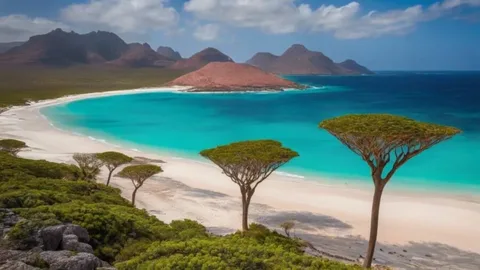
Kastawei Island is a small private island located near South Santo in the picturesque nation of Vanuatu, a cluster of islands in the South Pacific known for their crystal-clear waters, lush tropical landscapes, and vibrant coral reefs. This tiny paradise spans approximately 0.81 acres, providing an exclusive retreat that combines serenity, natural beauty, and the allure of private ownership. While it is primarily known among private island enthusiasts for its affordability and long-term commercial lease, Kastawei Island holds untapped potential for travelers, ecotourists, and those seeking a unique slice of the South Pacific experience.
The island’s appeal lies not only in its private and secluded environment but also in its surrounding natural assets. White sand beaches, calm lagoons, and a rich coral reef system make Kastawei a hotspot for snorkeling, swimming, and eco-friendly exploration. Unlike many larger, commercialized islands, Kastawei maintains a sense of intimacy and quiet, allowing visitors and owners to immerse themselves in the unspoiled tropical environment.
Kastawei Island offers more than just physical beauty. Its location in Vanuatu places it within a culturally rich environment where traditional Melanesian customs thrive alongside the influences of colonial and modern tourism. The combination of natural splendor, cultural depth, and ownership opportunities positions Kastawei as a unique property and a potential destination for specialized travel experiences.
Geographic Location and Accessibility
Kastawei Island is situated off the coast of South Santo, one of the largest islands in Vanuatu. South Santo itself is renowned for its dramatic cliffs, volcanic mountains, and pristine coral-lined beaches. Kastawei lies just a short boat ride from the mainland, making it accessible for day trips, short-term stays, or longer-term private retreats.
The island is strategically positioned within a sheltered lagoon, providing calm waters ideal for swimming and small watercraft access. Despite its remote appearance, the proximity to Santo’s main town, Luganville, ensures that essential supplies and services are within reach. This balance of seclusion and accessibility is a defining characteristic of Kastawei, appealing to both private owners and adventurous travelers.
For travelers, reaching Kastawei typically involves a short flight to Santo International Airport, followed by a boat transfer to the island. The journey is an integral part of the experience, offering stunning views of the surrounding archipelago, secluded bays, and vibrant marine life visible even from the water surface.
Landscape, Flora, and Fauna
The landscape of Kastawei Island combines sandy beaches, rocky outcrops, and dense tropical vegetation. Coconut palms, native fruit trees, and vibrant coastal shrubs create a natural canopy that provides shade and contributes to the island’s overall privacy. The interior of the island is slightly elevated, offering gentle hills that provide panoramic views of the surrounding ocean and neighboring islands.
The surrounding coral reefs are rich in biodiversity, home to tropical fish, sea turtles, and various invertebrates. This marine ecosystem not only enhances the island’s visual appeal but also supports eco-tourism opportunities such as snorkeling, diving, and marine research. Birdlife on the island includes native seabirds and migratory species, creating a dynamic environment for nature observation.
The preservation of native flora and fauna is a crucial aspect of maintaining the island’s ecological integrity. Sustainable practices, including controlled visitor access and conservation-minded property management, can help protect these delicate ecosystems for future generations.
The Climate of Kastawei Island
Kastawei Island enjoys a tropical climate characterized by warm temperatures and high humidity throughout the year. The region experiences two main seasons: the wet season, typically from November to April, and the dry season from May to October. During the dry season, conditions are ideal for beach activities, snorkeling, and exploration, while the wet season brings lush vegetation and occasional tropical showers.
Trade winds provide natural ventilation, keeping the island comfortable despite the humidity. Water temperatures remain inviting year-round, supporting marine activities. Visitors and potential owners should consider the climate when planning long-term stays or construction projects, ensuring that structures and landscaping are resilient to tropical conditions.
Cultural Context of the Region
Although Kastawei Island itself is uninhabited, it exists within the cultural fabric of South Santo and the larger Vanuatu archipelago. The indigenous Ni-Vanuatu communities maintain traditional practices, including fishing, farming, and handicrafts, which have been passed down for generations. Engagement with these communities provides an opportunity to learn about local customs, folklore, and sustainable living practices.
The cultural context also influences how islands like Kastawei are managed and leased. Understanding local regulations, customary land rights, and community engagement is essential for responsible ownership. Incorporating cultural respect into property development or tourism initiatives enhances both the ethical and experiential value of the island.
Ownership and Lease Details
Kastawei Island is currently offered under a long-term commercial/tourism lease of approximately 75 years. This lease structure allows for private use, development, or ecotourism activities while ensuring adherence to local regulations. The lease provides security for investors and private owners while maintaining oversight to protect the natural and cultural environment.
Ownership through a lease arrangement is common in Vanuatu, balancing private investment with government regulation. Leaseholders have the opportunity to develop sustainable infrastructure, such as eco-lodges, renewable energy systems, or small private retreats, without compromising the island’s natural charm.
Opportunities for Ecotourism and Sustainable Development
Kastawei Island’s unspoiled environment makes it an ideal candidate for ecotourism. Small-scale accommodations, guided snorkeling tours, and educational programs about marine conservation can attract environmentally conscious travelers. Sustainable development practices, such as solar energy, rainwater harvesting, and minimal-impact construction, are essential for preserving the island’s ecosystem.
The surrounding coral reefs offer a living laboratory for marine studies, while the island itself can serve as a base for cultural exchanges with nearby communities. Ecotourism initiatives can simultaneously generate income and promote environmental stewardship.
Activities and Experiences on Kastawei Island
Visitors to Kastawei Island can engage in a wide range of recreational and immersive activities. Snorkeling and diving are natural attractions, given the diversity and clarity of the surrounding coral reefs. Kayaking, paddleboarding, and swimming provide low-impact ways to explore the lagoon and beaches.
The island also offers opportunities for hiking and photography. The small elevation in the interior allows for short treks with rewarding panoramic views. Wildlife observation, particularly birdwatching, adds an educational dimension to recreational activities.
Private owners may also organize cultural experiences by collaborating with local communities. This could include traditional fishing excursions, craft workshops, or guided storytelling sessions about regional folklore.
Practical Considerations for Visitors and Owners
When planning a stay or acquisition of Kastawei Island, several practical considerations should be addressed:
- Transportation: A reliable boat or charter service is necessary for access. Planning for safety and navigation is essential.
- Supplies: Stocking essential food, water, and equipment is required for extended stays. Local markets in Luganville can supply some goods, but planning is crucial.
- Emergency Services: Medical and emergency infrastructure is limited, so contingency planning is important.
- Environmental Practices: Waste management, water conservation, and reef protection should be prioritized to maintain the island’s ecological health.
Careful attention to these details ensures a safe, enjoyable, and sustainable experience on Kastawei Island.
Comparative Value and Investment Potential
Compared to other private islands in the South Pacific, Kastawei Island is notable for its small size, private setting, and affordability. Its commercial lease provides a legal framework that supports investment while protecting local interests. For investors, the island represents a rare opportunity to own a tropical retreat with development potential in a culturally rich and ecologically diverse region.
Investment strategies may include vacation rentals, boutique eco-resorts, or private retreats. Strategic marketing, responsible management, and sustainable practices will enhance both profitability and reputation.
Conservation and Environmental Responsibility
The preservation of Kastawei Island’s natural environment is critical for maintaining its appeal and ecological balance. Coral reefs, native flora, and bird populations are vulnerable to human impact. Sustainable practices, including regulated visitor numbers, controlled construction, and renewable energy use, are essential.
Collaboration with local conservation organizations and research institutions can provide guidance and support. Promoting environmental awareness among visitors also strengthens the long-term viability of the island as both a property and a natural asset.
Future Potential of Kastawei Island
Kastawei Island’s future potential lies in its ability to combine privacy, natural beauty, and sustainable development. By integrating eco-friendly tourism, cultural engagement, and marine conservation, the island can become a model for responsible island ownership.
Technological advancements, such as solar power, water desalination, and high-speed connectivity, can enhance the comfort and usability of the island without compromising its pristine environment. Creative development strategies can ensure that Kastawei remains both exclusive and ecologically responsible.
Summary of Kastawei Island’s Unique Attributes
Kastawei Island offers a rare blend of seclusion, beauty, and cultural proximity. Its small size, tropical environment, coral reefs, and private lease structure distinguish it from other islands in Vanuatu and the South Pacific. The combination of natural splendor, investment potential, and sustainable development opportunities makes it an appealing destination for private owners, eco-conscious travelers, and those seeking a distinctive retreat experience.
The island’s appeal extends beyond its physical attributes. Its cultural context, proximity to South Santo, and ecological richness create opportunities for immersive travel, research, and creative projects. Kastawei Island is more than a private property; it is a canvas for unique experiences, environmental stewardship, and meaningful engagement with the natural world.
