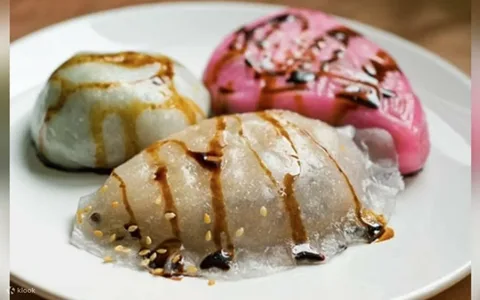
Joo Chiat food culture is one of Singapore’s most iconic neighborhoods. It has a rich culinary heritage that blends Peranakan traditions with modern café culture and diverse global influences. Once a quiet residential area, Joo Chiat has transformed into a vibrant food destination known for its historic kopitiams, beloved hawker stalls, artisanal desserts, contemporary brunch spots, and hidden gems tucked into shophouses and lanes.
This guide is designed to be the most complete resource available—organized, easy to navigate, and packed with actionable insights. Whether you’re a local foodie, a long‑stay visitor, or someone planning to explore Joo Chiat’s culinary scene for the first time, this article will help you eat better, discover deeper stories, and find the best places for every appetite and occasion.
Why Joo Chiat Is a Foodie’s Paradise
Peranakan Heritage and Culinary Roots
Joo Chiat food identity is deeply tied to Peranakan culture. Peranakans are descendants of early Chinese migrants who intermarried with Malays and other indigenous communities. Their cuisine is rich, aromatic, and distinct, using spices, coconut milk, herbs, and centuries‑old methods of preparation.
Peranakan dishes are often vibrant in color and flavor—balancing sweet, spicy, savory, and sour tastes. Classic offerings like ayam buah keluak, nonya laksa, kueh pie tee, and chap chye are staples that reflect the deep cultural roots of the area.
Evolution into a Multicultural Food Destination
While Peranakan fare remains central, Joo Chiat today represents a melting pot of global influences. Modern cafes coexist with traditional kopitiams. There are artisanal bakeries, Japanese ramen bars, specialty coffee shops, Indian and Malay cuisine outlets, and dessert houses that mix local ingredients with foreign techniques.
This blend of old and new, traditional and experimental, local and international is what gives Joo Chiat its unique food personality.
How This Guide Works
This article is organized according to food categories, meal occasions, dietary needs, and experience types so that you can find exactly what you’re looking for without scrolling through thousands of words.
Sections include:
- Peranakan & Local Classics
- Hawker Favorites and Hidden Gems
- Best Cafés & Brunch Spots
- Desserts, Bakes & Sweet Eats
- Halal & Dietary‑Friendly Options
- Nightlife & Dinner Picks
- Practical Eating Tips for Joo Chiat
Every listing includes recommended dishes, what the place is known for, and what makes it special.
Peranakan & Local Classics
The Heart of Peranakan Cuisine
Peranakan cuisine forms the backbone of Joo Chiat’s traditional food scene. These dishes are steeped in history and are a must‑try for anyone wanting to understand the flavors of the neighborhood.
Nonya Laksa
Laksa in Joo Chiat is rich and creamy, made with a coconut milk base, spiced with laksa leaf and chili paste, and loaded with ingredients like prawns, fish cakes, and tau pok.
What to know:
- Generous portions of noodles and toppings
- Aromatic broth with a balanced blend of spice and creaminess
- Often served with sambal chili and lime wedges for additional flavor control
Signature quality indicators:
- Deep, well‑developed broth
- Fresh seafood
- Balanced spice levels that hit heat without overpowering
Ayam Buah Keluak
Ayam Buah Keluak is one of the most emblematic Peranakan dishes. The buah keluak nut is soaked, peeled, and cooked with chicken to create a rich earthy and slightly tangy sauce.
What makes it stand out:
- Deep, nutty flavor with herbal undertones
- Slow cooking allows flavors to fully develop
- A rare dish that reflects Peranakan identity
Tips:
- Often pricey due to the labor‑intensive preparation
- Best shared with companions to fully appreciate complexity
Kueh Pie Tee
Kueh Pie Tee refers to delicate turnip tartlets filled with shredded jicama, prawns, and herbs.
Why it’s iconic:
- Contrasting textures: crispy shell, juicy filling
- Often accompanies other Peranakan dishes
- A must‑try snack or starter
Hawker Favorites and Hidden Gems
Joo Chiat’s hawker culture includes stalls that have been in operation for decades as well as up‑and‑coming vendors reinventing old classics.
Curries & Comfort Bowls
Hawker curries in this area are deeply savory with aromatic spices.
Highlights:
- Fish head curry with tangy tamarind gravy and fresh vegetables
- Beef rendang bowls with thick, slow‑cooked, aromatic sauce
- Mutton briyani that combines fragrant rice with succulent meat
These are best paired with roti prata or plain white rice to soak up the complex gravies.
Noodle Classics
Noodle stalls are a cornerstone of the hawker experience.
Look for:
- Char kway teow with smoky wok hei flavor
- Hokkien mee with rich prawn broth
- Mee siam with tangy tamarind noodle sauce
Pro tip:
Order items slightly spicy if possible—that’s how the flavors are traditionally balanced.
Best Cafés & Brunch Spots
Joo Chiat’s café culture has grown significantly. It now rivals other parts of Singapore for its combination of specialty coffee and brunch offerings.
Specialty Coffee Culture
Coffee in Joo Chiat isn’t just about caffeine—it’s about craft.
Look for:
- Single‑origin espresso shots
- Filtered pour‑overs
- Signature cold brews
- Unique house blends roasted on‑site
Baristas often engage with customers and can recommend pairings based on your taste preferences.
Brunch Classics
Popular brunch menus here include:
- Eggs Benedict with artisanal hollandaise
- Smashed avocado on sourdough with chili flakes
- Shakshuka with rich tomato sauce
- French toast with seasonal fruit and ice cream
Many of these cafes use local ingredients to give traditional brunch dishes a Singaporean twist.
Desserts, Bakes & Sweet Eats
Traditional Local Sweets
Look out for:
- Kueh lapis – layered spice cake with buttery sweetness
- Ondeh ondeh – bite‑sized pandan balls with gula melaka center
- Pandan chiffon cake – light and fragrant
Local desserts often feature pandan leaves, coconut milk, palm sugar, and tropical flavors.
Modern Dessert Innovations
Contemporary dessert stalls blend Western techniques with local tastes. Examples include:
- Durian soufflé pancakes
- Coconut gelato with gula melaka swirls
- Matcha tiramisu with kaya twists
- Chocolate lava with caramelized banana
These modern desserts show how Joo Chiat embraces creativity while honoring local palate preferences.
Halal & Dietary‑Friendly Options
Eating in Joo Chiat doesn’t mean missing out on dietary preferences.
Halal Options
Many eateries offer halal food, including:
- Nasi briyani with spiced chicken or lamb
- Satay and grilled platters
- Halal certified kopitiam classics
Tip:
Look for clear halal certification signage at stalls and stores.
Vegetarian & Vegan Choices
Vegetarian and vegan options are growing in popularity here. These include:
- Plant‑based bowls with grilled tofu or tempeh
- Vegan laksa with coconut broth and vegetables
- Vegetable curry with fragrant spices
Vegans can also find dessert choices made without dairy or animal‑derived ingredients.
Nightlife & Dinner Picks
Joo Chiat is not just a daytime food street—its nightlife dining scene is lively and diverse.
Ramen & Japanese Eats
Trendy bowls include:
- Tonkotsu ramen with rich pork broth
- Spicy miso ramen with fermented chili paste
- Char siu with perfectly caramelized edges
Japanese eateries here balance traditional techniques with modern presentation.
Tapas, Wine Bars & Small Plates
For dinner and evening relaxation:
- Tapas menus focus on shareable small plates
- Wine bars offer curated selections with light pairings
- Charcuterie boards with local ingredients
These spots are ideal for groups or couples looking for leisurely dinners.
Practical Eating Tips for Joo Chiat
Best Times to Visit Popular Spots
- Early mornings: Great for breakfast and kopi sessions
- Lunch hours: Expect queues at famous hawker stalls
- Evenings: Cafés shift to dinner crowds; some close while others extend hours
Peak Hours and How to Manage Queues
Some famous stalls fill up early. Arrive ahead of peak meal hours (11:30 am for lunch, 7 pm for dinner) to avoid long waits.
Budgeting Your Meals
Joo Chiat can be affordable if you:
- Eat at hawker counters for lunch
- Visit cafés during off‑peak times for specials
- Share mains and try small plates to taste more without overspending
Savoring Local Flavors
- Pair affluent coconut broths with tangy lime or sambal
- Ask for spice levels customized to your tolerance
- Try combinations of sweet and sour for balanced flavor
Final Words: How to Eat Like a Local in Joo Chiat
Joo Chiat is more than a street—it’s a living culinary archive that blends tradition and innovation. The best way to eat here is to:
- Start with the classics and understand their roots
- Explore modern takes with an open mind
- Balance hearty meals with sweet treats
- Visit multiple spots in one day to appreciate contrasts
Whether you’re here for Peranakan spices, hawker heritage, café culture, or adventurous desserts, this neighborhood will satisfy your appetite and deepen your appreciation for Singapore’s layered food culture.
