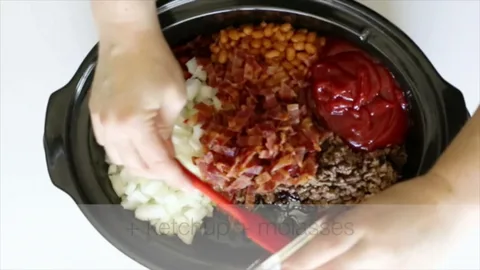
Slow baking is an art that transforms ordinary ingredients into extraordinary culinary creations. By cooking food at lower temperatures for extended periods, slow bakes preserve moisture, enhance flavors, and develop textures that conventional methods cannot achieve. This comprehensive guide will explore everything from the science behind slow baking to advanced techniques, equipment recommendations, and diverse recipe ideas to help you master the craft.
Understanding Slow Bakes
Slow baking is a method that uses low, consistent heat over a prolonged period. Unlike traditional baking, which relies on higher temperatures to cook food quickly, slow bakes prioritize flavor development, tenderness, and nutritional retention. The method works particularly well with meats, bread, desserts, and certain vegetables.
Why Slow Baking Matters
Slow baking offers numerous benefits:
- Enhanced Flavor: Slow cooking allows natural sugars and proteins to caramelize gradually, creating richer, deeper flavors.
- Improved Texture: Meats remain tender, bread develops a perfect crust and crumb, and desserts maintain moistness without overcooking.
- Healthier Meals: Lower temperatures help preserve vitamins and reduce nutrient loss compared to high-heat cooking.
- Versatility: From savory casseroles to delicate pastries, slow bakes can be adapted to a wide variety of ingredients and cuisines.
The Science Behind Slow Baking
Understanding the science of slow baking helps optimize results. The key elements include:
- Maillard Reaction: Slow heating promotes gradual browning and flavor formation in proteins and sugars.
- Moisture Retention: Extended baking at low temperatures prevents water evaporation, keeping food moist.
- Starch Gelatinization: For bread and cakes, slow baking ensures even gelatinization of starch, resulting in a soft, fluffy texture.
Essential Equipment for Slow Bakes
To achieve consistent and professional results, selecting the right equipment is critical.
Oven Types
Different ovens provide varying levels of temperature control and heat distribution:
- Conventional Oven: Works well for most slow-bake recipes; ensure accurate temperature calibration.
- Convection Oven: Circulates air evenly, reducing baking time slightly but retaining the benefits of low heat.
- Dutch Oven or Cast Iron Pots: Ideal for bread, roasts, and casseroles; retains heat and moisture effectively.
- Slow Cookers: Convenient for stews and braised dishes; maintain low, steady heat without constant monitoring.
Thermometers and Timers
Precision tools are essential for perfect slow bakes:
- Digital Thermometer: Measures internal temperature of meat, bread, or desserts.
- Oven Thermometer: Ensures your oven heats accurately to the intended low temperature.
- Timers: Essential for long-duration bakes to prevent overcooking.
Ingredients and Preparation Tips
Using high-quality ingredients and proper preparation methods is crucial for successful slow bakes.
Selecting Ingredients
- Meats: Opt for cuts with connective tissue like brisket, pork shoulder, or lamb shanks; slow baking breaks down collagen, making the meat tender.
- Vegetables: Root vegetables, squashes, and mushrooms benefit from low heat, retaining natural sweetness and nutrients.
- Flours and Grains: For bread and pastries, high-protein flours improve gluten structure during extended baking.
- Dairy and Fats: Butter, cream, and oils help maintain moisture and create a tender crumb in baked goods.
Preparing Ingredients
- Marinating or Seasoning: Enhance flavor by marinating meats or seasoning vegetables in advance.
- Room Temperature Ingredients: Allow ingredients to come to room temperature before baking to ensure even cooking.
- Moisture Control: For breads and casseroles, adding water, broth, or stock prevents drying during long bakes.
Techniques for Perfect Slow Bakes
Achieving consistent results requires attention to technique and process.
Temperature Control
Maintaining the correct low temperature is essential:
- Meat: 120°C–160°C (250°F–320°F) depending on cut and desired doneness.
- Bread: 150°C–180°C (300°F–350°F) ensures even rising and crust formation.
- Desserts: 135°C–160°C (275°F–320°F) helps retain moisture and prevent cracking.
Layering and Positioning
- Place items in the center of the oven for even heat distribution.
- For multiple trays, rotate halfway through baking to prevent uneven browning.
Using Moisture and Steam
- Covering meat or bread with foil traps moisture, enhancing tenderness.
- Adding water to the oven tray or using a Dutch oven creates steam, improving crust and crumb structure.
Advanced Slow Bake Recipes
Here are some diverse recipe ideas to elevate your slow-baking skills:
Slow-Baked Meats
- Braised Beef Brisket: Cooked at 140°C (285°F) for 6–8 hours with onions, garlic, and herbs; results in tender, pull-apart beef.
- Slow-Roasted Lamb Shanks: Seasoned with rosemary and garlic, baked at 150°C (300°F) for 4–6 hours; rich, succulent texture.
Slow-Baked Breads
- No-Knead Artisan Bread: Mixed flour, water, salt, and yeast left overnight, baked in a covered Dutch oven at 230°C (450°F) for 30–40 minutes.
- Whole Grain Loaf: Combination of whole wheat and rye, slow-baked at 175°C (350°F) for 45–50 minutes; produces dense, flavorful bread.
Slow-Baked Desserts
- Custard and Cheesecakes: Baked at 140°C (285°F) for 50–60 minutes in a water bath to prevent cracking.
- Fruit Cobbler: Low-temperature bake at 150°C (300°F) allows fruit to caramelize and crust to remain tender.
Vegetable-Based Slow Bakes
- Roasted Root Vegetable Medley: Toss carrots, potatoes, and parsnips with olive oil and herbs; bake at 160°C (320°F) for 60–75 minutes.
- Stuffed Peppers: Slow-baked with rice, vegetables, and cheese; ensures even cooking and flavor infusion.
Tips for Mastering Slow Baking
- Plan Ahead: Many slow bakes require long cooking times; prepare ingredients and schedule baking accordingly.
- Check Internal Temperatures: Avoid guessing—meat and bread require precise heat to achieve optimal texture.
- Experiment with Herbs and Spices: Slow baking allows flavors to infuse gradually; don’t be afraid to use bold combinations.
- Patience is Key: Resist the temptation to increase temperature; the slow process is what produces superior results.
Common Mistakes and How to Avoid Them
- Overcooking: Even low temperatures can dry food if baked too long; use thermometers and timers.
- Skipping Moisture: Always include some liquid or cover dishes to prevent drying.
- Ignoring Oven Hot Spots: Rotate trays and monitor the center to ensure even cooking.
- Using Wrong Cuts: Lean meats dry out quickly; select cuts suited for low and slow cooking.
Storing and Reheating Slow Bakes
- Storage: Slow-baked meats and casseroles can be refrigerated for 3–4 days, while bread lasts 2–3 days at room temperature.
- Freezing: Most dishes freeze well; wrap tightly to prevent freezer burn.
- Reheating: Use low heat or steam to maintain moisture and texture; avoid microwaving when possible.
Slow Baking Across Cultures
Slow baking is a universal technique adapted across cultures:
- European: French cassoulets, Italian osso buco, and British roasted meats often rely on slow cooking.
- Asian: Chinese braised pork belly and Japanese nimono stews utilize slow baking principles.
- Middle Eastern: Slow-cooked tagines and stuffed vegetables rely on gentle heat for rich flavor development.
Conclusion
Mastering slow bakes is a journey of patience, precision, and flavor exploration. With the right equipment, understanding of techniques, and high-quality ingredients, anyone can create dishes with superior texture, taste, and presentation. Whether crafting tender meats, artisan breads, or decadent desserts, slow baking transforms ordinary ingredients into culinary masterpieces. By incorporating advanced tips, experimenting with flavors, and respecting the science of slow baking, you can elevate your cooking to a professional level while delighting your family, friends, or customers with consistently impressive results.
