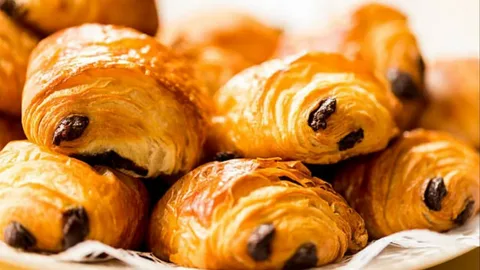
Petit Pain is a staple in French bakeries, cafes, and homes. These small, soft, and sometimes crusty bread rolls have been part of French culinary tradition for centuries. While seemingly simple, petit pain represents more than just bread. It is a reflection of French culture, baking techniques, and regional preferences. This guide provides a detailed exploration of petit pain, from its origins and varieties to baking techniques, nutritional benefits, and cultural significance.
Understanding Petit Pain
Petit pain literally translates to “small bread” in French. While the literal meaning is simple, the term covers a wide range of bread types, sizes, and recipes. Petit pain can vary in texture, crust, and flavor depending on the region, ingredients, and baking methods.
Origins and History
The history of petit pain dates back to traditional French baking practices, where bread was a daily staple. Small rolls were convenient for individual servings and for storing bread without it going stale. Over time, petit pain became a standard offering in boulangeries (French bakeries) and cafes, often accompanying breakfast or served as an appetizer during meals.
Cultural Significance
Petit pain is not just food—it is deeply embedded in French culture. It appears in idioms such as se vendre comme des petits pains, meaning “to sell like hotcakes,” illustrating how cherished these small bread rolls are in society. In French dining, petit pain is often used as a side bread for soups, salads, or main courses, highlighting its versatility.
Types of Petit Pain
Petit pain comes in multiple forms, each with its own characteristics. Understanding these types can help bakers, chefs, and enthusiasts appreciate the diversity and intricacies of French bread.
Classic Petit Pain
The classic petit pain is small, round, and soft on the inside with a slightly golden crust. It is typically made with wheat flour, water, yeast, and salt. The simplicity of this bread makes it ideal for everyday use, sandwiches, or accompanying meals.
Petit Pain au Lait
Petit pain au lait, or “milk bread roll,” incorporates milk or milk powder into the dough. This addition makes the bread slightly sweeter and softer, making it popular for breakfast or as a snack for children.
Rustic Petit Pain
Rustic petit pain features a thicker, crustier exterior and a denser crumb. Often baked in stone ovens, these rolls are more flavorful and have a longer shelf life. They are ideal for artisan sandwiches or served alongside hearty soups.
Specialty Petit Pain
Specialty rolls can include additions like herbs, seeds, cheese, or dried fruits. These versions reflect regional tastes or bakery creativity. Examples include sesame seed-topped rolls, rosemary-infused rolls, or chocolate-filled petit pains.
Ingredients and Nutritional Value
Petit pain ingredients are generally simple, but variations can include dairy, eggs, or sweeteners. A standard petit pain recipe contains:
- Wheat flour
- Water
- Yeast
- Salt
Optional ingredients can include milk, butter, sugar, seeds, or herbs.
Nutritional Benefits
Petit pain provides essential nutrients, including carbohydrates for energy, small amounts of protein, and dietary fiber when made with whole grains. While often low in fat, enriched versions with butter or milk offer additional calories and a richer flavor.
Dietary Considerations
For health-conscious individuals or those with dietary restrictions, petit pain can be adapted using whole wheat flour, gluten-free flours, or alternative milk options. Bakers can also reduce sugar content or incorporate seeds to enhance nutritional value.
Baking Techniques
Mastering petit pain requires understanding the dough, fermentation, shaping, and baking process. Each step influences the texture, flavor, and appearance of the bread.
Dough Preparation
Start with accurate measurements of flour, water, yeast, and salt. Hydration levels determine whether the bread is soft or chewy. Gentle kneading helps develop gluten, providing structure and elasticity.
Fermentation
Fermentation allows the yeast to produce carbon dioxide, giving the bread its light and airy texture. Petit pain typically undergoes two fermentation phases: bulk fermentation after mixing and proofing after shaping.
Shaping
Petit pain can be shaped into rounds, ovals, or elongated forms depending on preference. Proper shaping ensures even baking and a uniform crumb structure.
Baking
Baking temperature and duration are crucial. Oven temperatures between 200–220°C (392–428°F) produce a golden crust while maintaining a soft interior. Steam in the oven helps create a shiny crust and enhances flavor.
Advanced Baking Tips
- Use a preheated baking stone for even heat distribution.
- Allow dough to rest in the refrigerator overnight for enhanced flavor.
- Brush rolls with milk or egg wash for a glossy finish.
- Experiment with hydration to achieve different textures.
Serving Petit Pain
Petit pain can be enjoyed in countless ways, from simple accompaniments to creative recipes.
Breakfast Ideas
- Serve with butter, jam, or honey for a classic French breakfast.
- Use petit pain au lait as a base for breakfast sandwiches with eggs and cheese.
Lunch and Dinner
- Slice and use for gourmet sandwiches with meats, cheeses, and fresh vegetables.
- Pair rustic petit pain with soups, stews, or roasted meats.
Snacks and Desserts
- Fill small rolls with chocolate or fruit preserves for a sweet treat.
- Use savory fillings like cheese, herbs, or ham for appetizers.
Regional Variations
French regions have unique takes on petit pain. Understanding these differences highlights the rich diversity of French baking.
Northern France
In northern regions, petit pain tends to be softer and sweeter, often incorporating milk or butter.
Southern France
Southern rolls often feature a crispier crust and may include olive oil or herbs for flavor.
Specialty Regional Rolls
- Alsace: Petit pain with seeds, similar to Kaiser rolls
- Provence: Herb-infused rolls
- Brittany: Slightly denser rolls suitable for spreading butter and jam
Comparison with Other Breads
Petit pain is distinct but shares similarities with other bread types.
Brioche
Brioche is richer, sweeter, and often buttery, whereas petit pain is simpler and lighter.
Pistolet
Pistolet is a small Belgian bread roll similar to petit pain but denser with a crustier exterior.
Baguette Miniatures
Mini baguettes resemble petit pain in size but are typically elongated and crustier.
Kaiser Roll
Kaiser rolls have a star-shaped top pattern and are slightly firmer, commonly used for sandwiches.
Storing and Preserving
Proper storage maintains freshness and flavor.
- Store at room temperature in a breathable bag for up to 2 days.
- Freeze leftover rolls in airtight containers for long-term storage.
- Reheat briefly in the oven to restore crustiness.
Petit Pain in Modern Cuisine
Petit pain has evolved from a simple bread roll to a versatile culinary ingredient. Contemporary bakers and chefs use petit pain in creative ways:
- Mini sliders and gourmet sandwiches
- Breakfast baskets in cafes and hotels
- Fusion recipes combining local ingredients with French bread
Common Mistakes in Baking
Even experienced bakers encounter challenges. Avoid these pitfalls:
- Using incorrect flour-to-water ratios
- Over or under-kneading the dough
- Skipping proper fermentation
- Baking at incorrect temperatures
- Overcrowding the oven, causing uneven cooking
Tips for Home Bakers
- Use a kitchen scale for precise measurements.
- Experiment with hydration and fermentation for optimal texture.
- Observe dough rather than relying solely on time.
- Practice shaping techniques for consistent results.
Advanced Techniques
- Incorporate sourdough starter for flavor depth.
- Use high-hydration dough for a light, airy crumb.
- Try double fermentation for enhanced aroma and structure.
- Experiment with steam injection or baking stones for a bakery-style crust.
Health-Conscious Variations
- Whole grain petit pain for added fiber and nutrients
- Low-sodium or low-sugar options for dietary needs
- Gluten-free versions using rice, almond, or buckwheat flour
Petit Pain for Businesses
Bakeries, cafes, and restaurants can capitalize on petit pain’s popularity:
- Offer customized rolls with toppings like seeds, herbs, or cheese
- Include petit pain in combo meals or catering menus
- Promote artisan small bread rolls to highlight quality and authenticity
Conclusion
Petit pain is a simple yet essential part of French cuisine, reflecting centuries of tradition, culture, and culinary expertise. From classic soft rolls to milk-enriched variants, rustic artisan types, and modern specialty versions, petit pain offers versatility for home bakers, professional chefs, and bread enthusiasts alike. By understanding the ingredients, baking methods, regional variations, and serving possibilities, anyone can appreciate and create this iconic small bread. Incorporating petit pain into daily meals or culinary projects elevates the dining experience, connecting tradition with creativity.
Petit pain is not just a small bread roll; it is a cultural symbol, a canvas for culinary experimentation, and a beloved staple that continues to delight people around the world. Mastering its preparation opens doors to the rich world of French baking and the endless possibilities of small bread innovation.
