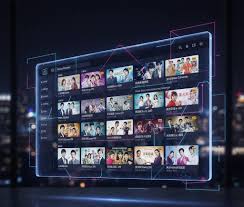
Duboku Online System refers to a digital streaming framework commonly associated with hosting and distributing Asian television dramas, movies, and serialized entertainment content through web-based platforms. The system is not structured like a traditional subscription-based streaming company but instead operates as a web-access streaming environment built around fast indexing, categorized browsing, and embedded video playback. Over time, Duboku has become widely recognized among viewers who seek Chinese-language drama content and related entertainment genres without going through long registration procedures. This guide explores the complete structure, backend logic, user interaction flow, monetization model, technical components, content categorization strategy, and digital footprint of Duboku in a detailed and systematic manner.
Core Structure of the Duboku Platform
The Duboku system generally operates through web domains that function as portals rather than centralized corporate streaming infrastructure. These domains may change or rotate over time, but their internal structure remains similar. The homepage typically includes a hero banner slider displaying trending shows, followed by categorized sections such as latest updates, popular rankings, genre-based lists, and recommended titles. Each listed show links to an internal content page where episodes are arranged sequentially.
The system architecture emphasizes simplicity and direct access. Users do not typically need to create accounts to access streaming links. The structure is optimized for quick browsing rather than personalized content recommendations. Navigation bars are often placed at the top of the page and may include categories such as drama, movie, variety show, historical series, modern romance, action, fantasy, and other genre segments.
Backend Infrastructure and Hosting Mechanism
Duboku Online System relies heavily on embedded streaming technology. Instead of hosting large video files directly on its own servers, it typically integrates external video hosting services through embedded players. This reduces operational costs and minimizes storage requirements. The system may use iframe-based streaming technology, allowing content to load dynamically from external hosting sources.
Key backend characteristics often include content management systems that allow administrators to upload new titles quickly, categorize episodes, and update show listings. Caching layers are sometimes applied to improve load speed, especially during peak viewing hours. Because of distributed hosting strategies, video playback quality may vary depending on server load and third-party hosting reliability.
User Interface and Navigation Logic
The Duboku user interface follows a functional layout model rather than a design-focused premium aesthetic. The emphasis is on accessibility and speed. Most pages feature a dark theme to enhance video visibility and reduce screen glare. Search functionality is typically positioned prominently in the header section, allowing users to search by title keywords.
On individual show pages, information is usually displayed in a structured format including synopsis, release year, episode count, and cast information when available. Episodes are arranged in clickable numbered links that allow viewers to jump directly to specific installments. Playback controls include pause, volume adjustment, resolution switching when supported, and full-screen mode.
The interface does not usually include advanced AI-driven personalization features. There is limited to no user account functionality, meaning watch history tracking and saved playlists are generally absent.
Content Categorization Strategy
Duboku organizes content primarily by genre and release timeline. Major categories often include historical dramas, romance series, action thrillers, fantasy productions, family dramas, and variety entertainment. Sorting options may allow filtering by most recent uploads or most viewed content.
Some versions of the platform also include ranking charts that reflect user engagement metrics, though these rankings are usually calculated based on view counts rather than algorithmic personalization. The categorization system is built to ensure that new content appears prominently on the homepage to maintain user return frequency.
Streaming Technology and Playback Optimization
Playback optimization within the Duboku Online System depends on the hosting provider integrated into the embedded player. Some players allow resolution selection such as 360p, 480p, 720p, and occasionally 1080p. Adaptive streaming technology may be available depending on the hosting infrastructure.
Buffering speed varies according to geographic location, internet speed, and server load. Since the system does not rely on proprietary CDN infrastructure similar to platforms such as Netflix or iQIYI, performance consistency may fluctuate.
The embedded player often includes minimal controls without advanced features such as Dolby audio integration, offline downloads, or multi-profile management. The focus remains on direct playback accessibility rather than premium user features.
Device Compatibility and Accessibility
Duboku Online System is generally accessible through desktop browsers, mobile browsers, and sometimes third-party Android applications associated with the platform. Responsive design allows the interface to adapt to smaller screens. Mobile access typically mirrors desktop functionality, though some ad placements may be more prominent on mobile devices.
Compatibility with smart TVs or casting devices depends on browser support. Because Duboku operates as a web-based portal, casting may require manual screen mirroring rather than integrated app support.
Monetization and Revenue Structure
The primary revenue stream for Duboku Online System appears to rely on advertisement placement. These advertisements may include banner ads, pop-up redirects, video overlay ads, and affiliate links. The absence of subscription pricing suggests that the model depends entirely on traffic volume and ad impressions.
Ad networks integrated into the system may rotate dynamically, meaning that the number and type of advertisements encountered can vary between sessions. Since the system does not typically require payment information, direct billing data collection is minimal.
Security Considerations and Safe Usage Practices
Because Duboku relies on third-party hosting and advertisement networks, users may encounter redirects or pop-up windows. Maintaining updated browsers and security software is recommended when accessing any ad-supported streaming site. The platform itself generally does not require users to create personal accounts, which reduces exposure to direct data collection.
Safe usage practices include avoiding suspicious download prompts, refraining from installing unknown extensions, and ensuring antivirus software is active. Since content sources vary, playback stability may differ from episode to episode.
Content Quality and Subtitle Availability
Video quality within the Duboku Online System is dependent on the source file uploaded to external hosting services. Some content may include high-definition resolution, while others may be limited to standard definition. Subtitle availability varies widely. Many shows include Simplified Chinese subtitles embedded in the video, while English subtitles may be inconsistent.
Unlike licensed streaming platforms such as Viki, Duboku does not offer standardized multilingual subtitle libraries across its catalog. Subtitle presence often depends on the original source of the uploaded file.
Comparison with Licensed Streaming Ecosystems
Licensed streaming ecosystems operate under structured content agreements and official distribution rights. Platforms such as Youku and Tencent Video provide official releases, scheduled updates, and region-specific compliance frameworks. Duboku Online System differs significantly in its operational transparency and licensing disclosure.
Licensed platforms generally offer:
Consistent HD and 4K streaming
Verified subtitle tracks
Dedicated mobile applications
User account personalization
Subscription-based or hybrid monetization models
Customer support infrastructure
Duboku emphasizes accessibility and simplicity rather than licensed distribution structure.
Traffic Patterns and Search Behavior
Search patterns related to Duboku often include queries about watching specific dramas, checking site status, or exploring mirror domains. The platform benefits from organic search traffic driven by user demand for free streaming access.
Traffic behavior suggests that most users land directly on specific show pages rather than browsing extensively across the homepage. Session duration often correlates with episode length.
Content Update Workflow
Administrators of Duboku Online System typically update new episodes shortly after their release through rapid indexing. The workflow may include:
Locating source files
Embedding streaming links
Creating episode entries
Updating show descriptions
Refreshing homepage banners
There is generally no public release calendar or notification system. Updates rely on manual monitoring and posting.
System Strengths
The Duboku Online System offers several advantages:
Free access without mandatory registration
Wide selection of Chinese and Asian dramas
Simple navigation structure
Rapid indexing of new content
Multi-domain accessibility
These strengths attract viewers seeking convenience and variety.
System Limitations
Limitations include:
Inconsistent streaming reliability
Variable subtitle availability
Ad-heavy browsing experience
Lack of personalization features
Unclear licensing transparency
Limited official customer support
These factors may impact long-term user trust and retention.
Technical Scalability and Sustainability
Scalability is achieved through distributed hosting and mirror domain usage. This allows continuity even if individual domains experience downtime. However, reliance on third-party hosting introduces unpredictability.
Sustainability depends on maintaining search engine indexing visibility and balancing advertisement load without degrading user experience. As global demand for Asian entertainment increases, competition from licensed streaming platforms may influence traffic patterns.
Advanced Insights into User Engagement
User engagement within Duboku Online System centers on single-session viewing rather than multi-day retention strategies. Without account tracking, retention depends on bookmark usage or repeat search queries.
Engagement drivers include:
Trending drama updates
Popular historical series
Romantic drama premieres
Fantasy and wuxia titles
Variety show highlights
The platform prioritizes content freshness over deep interactive features.
Potential System Improvements
If Duboku Online System were to evolve structurally, potential improvements could include:
Implementing structured metadata for better indexing
Reducing intrusive advertisement frequency
Enhancing subtitle coverage
Adding optional user accounts for watchlists
Improving mobile optimization for smoother playback
Standardizing video resolution quality
These improvements would strengthen competitiveness within the streaming ecosystem.
Future Outlook and Digital Evolution
The future of the Duboku Online System depends on adaptation to changing digital content consumption patterns. As streaming audiences demand higher quality playback and consistent subtitles, platforms must evolve technically. Integration of better caching systems, refined UI design, and improved security layers could enhance user trust.
Simultaneously, global licensed streaming expansion will continue to shape user expectations. Duboku’s emphasis on accessibility will remain its primary advantage, but sustainability will require balancing convenience with improved reliability.
Conclusion
Duboku Online System represents a web-based streaming structure focused on providing accessible Asian drama and entertainment content without subscription barriers. Its architecture relies on embedded hosting, advertisement-based monetization, and genre-driven categorization. While offering wide content variety and free access, it faces challenges in streaming stability, subtitle consistency, and transparency. Understanding its operational framework, user flow, monetization model, and technical environment provides a complete perspective on how the system functions within the broader digital streaming landscape.
