Introduction to the Duboku Streaming Environment
Duboku, commonly associated with the Chinese term meaning “Exclusive Broadcast Library,” represents a digital streaming model centered around aggregated online video access. Over time, it has gained recognition among viewers seeking Asian dramas, regional television series, and international entertainment content without traditional subscription barriers. Unlike mainstream licensed streaming services, Duboku operates within a decentralized web structure that emphasizes accessibility, rapid content updates, and simplified user navigation. Understanding its streaming system requires examining technical architecture, content sourcing patterns, interface design, distribution mechanisms, audience behavior, monetization strategy, and operational dynamics.
The purpose of this guide is to provide a comprehensive breakdown of how the Duboku streaming system functions at a structural and strategic level. This content is written as a complete standalone analysis, focusing purely on informational insights, technical evaluation, and system understanding.
Core Foundation of the Duboku Streaming Model
The Duboku streaming system functions as an aggregation-based platform. Rather than hosting all media internally under proprietary licensing contracts, the system generally indexes, embeds, or routes content from distributed video hosts. This structural approach reduces infrastructure burden while increasing flexibility.
Core pillars of the streaming system include:
- Aggregated video sourcing
- Embedded streaming players
- Multi-domain accessibility
- Minimal account dependency
- Advertisement-driven monetization
- Rapid episode indexing
The foundation is built around delivering accessible streaming without subscription gating. This makes it particularly attractive to viewers who prioritize availability and convenience over premium service guarantees.
Structural Architecture and Domain Strategy
The Duboku ecosystem frequently operates across multiple domains. Domain rotation is common in systems where content accessibility varies by region. Mirror domains are often deployed to ensure continuous availability.
Key architectural characteristics include:
- Central content database framework
- Distributed streaming host integration
- Cloud-based server routing
- Reverse proxy usage
- Dynamic URL switching
- Redirection layers
Because the content player is often embedded rather than fully self-hosted, the system architecture is modular. If one video source becomes unavailable, alternate streams may be integrated.
This distributed approach increases resilience but may introduce variability in performance.
Homepage Layout and Navigation Mechanics
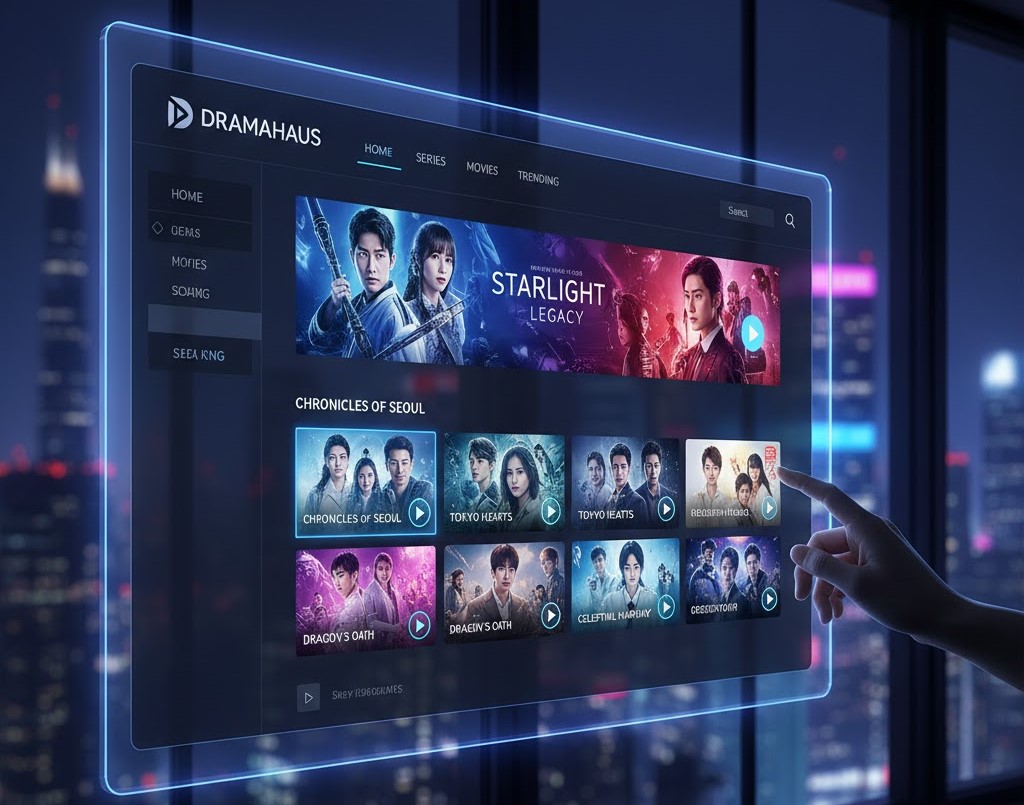
The typical Duboku interface follows a grid-based content presentation system. The homepage structure generally includes:
- Featured content carousel
- Recently updated episodes
- Trending titles section
- Genre categories
- Country filters
- Search functionality
The grid layout is designed for high-visibility browsing. Thumbnail-based design encourages rapid selection, supporting binge consumption behavior. Each content card typically contains:
- Title
- Episode number or season tag
- Visual thumbnail
- Release indicator
- Short description preview
Navigation simplicity reduces user friction. Many versions do not require registration, allowing direct content access.
Content Organization and Classification System
The Duboku streaming system organizes content through multi-layered categorization. Common classification structures include:
- Drama
- Romance
- Historical
- Fantasy
- Thriller
- Comedy
- Action
- Animation
- Variety shows
- Movies
Additional filters may include:
- Country of origin
- Release year
- Ongoing vs completed series
- Subtitle availability
- Popularity ranking
The internal database often relies on metadata tagging rather than algorithmic personalization. This means discovery is user-driven rather than AI-recommended.
Streaming Player Technology and Playback Features
The embedded player system is central to Duboku’s operational model. Playback is typically browser-based and relies on HTML5 video frameworks.
Common playback features include:
- Fullscreen support
- Volume controls
- Playback speed adjustments
- Subtitle toggle
- Resolution selection
- Auto-play next episode
- Manual episode navigation
Adaptive bitrate streaming may be implemented depending on the third-party host. Video resolution availability often ranges from standard definition to high definition, depending on source.
Technical Performance and Load Handling
Performance of the Duboku streaming system depends on multiple variables:
- Third-party hosting stability
- Geographic server proximity
- CDN routing efficiency
- User internet bandwidth
- Concurrent traffic volume
During peak usage, buffering delays may occur. However, mirror site deployment helps distribute traffic load. Cloud-based hosting solutions may be used to scale according to traffic spikes.
Server infrastructure generally supports:
- HTTP streaming
- SSL encryption
- Content caching
- Session handling
- IP-based redirection
Monetization Framework and Advertising Integration
Duboku’s streaming model is typically advertisement-driven. Without subscription revenue, the platform relies on digital advertising networks.
Common ad formats include:
- Banner advertisements
- Pop-up windows
- Pop-under redirects
- Pre-roll video ads
- Click-trigger overlays
The monetization framework aims to balance revenue generation with maintaining user retention. Excessive ad intrusion may reduce repeat visitation.
Revenue generation priorities include:
- High traffic volume
- Ad impression rates
- Click-through optimization
- Cross-platform ad compatibility
Audience Profile and Behavioral Insights
The Duboku user base generally includes:
- Asian drama enthusiasts
- Overseas Chinese communities
- Budget-conscious viewers
- Students and young adults
- International audiences seeking subtitled content
Behavioral patterns observed include:
- Episode binge watching
- Frequent site revisits for updates
- Sharing links within online communities
- Searching for alternative domains if blocked
User engagement often centers around serialized drama releases.
Safety Considerations and Risk Awareness
Due to its aggregation-based model, users may encounter certain risks:
- Ad-based malware exposure
- Redirect links to external sites
- Inconsistent content sources
- Potential privacy vulnerabilities
Safety-conscious users often implement protective measures such as:
- Antivirus software
- Secure browsers
- Script blockers
- VPN usage in restrictive regions
Understanding the streaming environment helps users make informed browsing decisions.
Legal and Regulatory Landscape
The streaming legality of aggregation platforms varies by jurisdiction. Since licensing transparency is not always publicly documented, legal considerations depend on local copyright enforcement standards.
Important regulatory factors include:
- Copyright law strictness
- ISP blocking policies
- Content distribution rights
- Digital media compliance regulations
Some regions actively restrict access to similar platforms. As a result, domain rotation strategies are employed to maintain accessibility.
Comparative Analysis with Licensed Streaming Platforms
When compared to licensed subscription services, differences become evident:
Licensed platforms offer:
- Official distribution rights
- Stable app ecosystem
- Offline download features
- Personalized recommendations
- Customer support infrastructure
Duboku-style platforms emphasize:
- Free access
- Immediate availability
- Minimal login barriers
- Broad international library
The trade-off involves security, stability, and regulatory certainty.
Search Function and Content Discovery System
Duboku’s internal search typically relies on direct keyword matching. Users search by:
- Title
- Actor name
- Genre
- Episode number
Unlike AI-driven platforms, predictive recommendations are limited. Discovery often depends on:
- Homepage highlights
- Trending lists
- Recently updated sections
- External community recommendations
Device Compatibility and Cross-Platform Usage
The browser-based streaming model allows access across devices including:
- Desktop computers
- Laptops
- Android phones
- iPhones
- Tablets
- Smart TVs via browser
Because there is typically no official downloadable app, mobile streaming remains browser dependent. Responsive design ensures adaptability across screen sizes.
Content Update Cycle and Release Patterns
Duboku-style platforms frequently update episodes soon after release in original broadcast regions. Update speed increases user retention and search demand.
Update cycle characteristics include:
- Daily indexing of new episodes
- Episode tagging for ongoing series
- Highlighting newly added content
- Episode numbering consistency
Rapid indexing is a core competitive advantage.
Community Influence and Organic Growth
Community engagement significantly influences Duboku’s growth. Online discussion groups, forums, and social platforms often share:
- Streaming links
- Episode updates
- Alternative domain information
- Subtitle quality discussions
Word-of-mouth plays a critical role in traffic generation.
Sustainability and Future Outlook
The long-term outlook of aggregation-based streaming systems depends on evolving factors:
- Global copyright enforcement trends
- Expansion of affordable licensed platforms
- Technological changes in content distribution
- User awareness of digital security
As official streaming services expand content libraries and reduce subscription costs, the competitive landscape may shift. However, demand for immediate free access continues to sustain platforms like Duboku.
Advanced Insights into Streaming Ecosystem Dynamics
From a broader perspective, Duboku reflects a digital consumption pattern shaped by:
- Globalized entertainment demand
- Cross-border media interest
- Fragmented licensing territories
- Subscription fatigue among users
Streaming ecosystems evolve based on user demand for flexibility, affordability, and content diversity.
The decentralized model used by Duboku demonstrates how content aggregation can fill distribution gaps in global media access.
Strategic Recommendations for Readers
If evaluating or researching the Duboku streaming system, consider the following:
- Understand the platform’s aggregation model
- Assess personal cybersecurity practices
- Compare content availability with licensed services
- Evaluate regional legal considerations
- Stay informed about domain changes
Balanced awareness ensures informed decision-making.
Conclusion
The Duboku streaming system operates within a unique intersection of accessibility, digital aggregation, and global entertainment demand. Its structure is built around decentralized hosting, rapid indexing, advertisement-based revenue, and simplified navigation. While offering broad content access and minimal barriers, it also carries operational variability and regulatory uncertainty.
By examining its structural design, technical framework, content organization, audience behavior, monetization model, and legal environment, a clear picture emerges of how Duboku functions within the wider streaming ecosystem. It serves as an example of how digital platforms adapt to evolving viewer preferences and global media consumption trends.
